Vocal Warm Up Guide: Step-by-Step Routines From 5 to 20 Minutes for Stronger Singing
By: Nord Time Editorial
Fact checked by: QA Team
Updated on: September 25, 2026
0
4
9 min
In this article
- Understanding Vocal Warm Up
- How It Works
- Benefits and What The Evidence Shows
- How To Get Started
- Common Mistakes and Considerations
- FAQ

Singers, actors, and public speakers often push through rehearsals only to end up hoarse by the end. Testing reveals a smart vocal warm up changes that by prepping the body and voice the right way.
This guide walks through practical routines that prevent fatigue, expand range, and keep voices healthy. Let's look at how these exercises work for beginners and pros alike.
Understanding Vocal Warm Up
Let's be real, plenty of hobbyists and teachers skip this step and regret it later with vocal fatigue or strain. This section breaks down what it is, who benefits, and why it fits right before practice sessions or performances.
Who Relies on Vocal Warm Ups and Why
Users report less hoarseness after long teaching days or auditions when they warm up consistently. Testing reveals singers, choir members, actors, and public speakers who use their voice for hours cut their pain points by adding this habit.
It removes uncertainty on technique and lowers the fear of developing vocal nodules. This serves mixed experience levels, from students building routines to performers refining technique before shows.
What a Vocal Warm Up Actually Involves
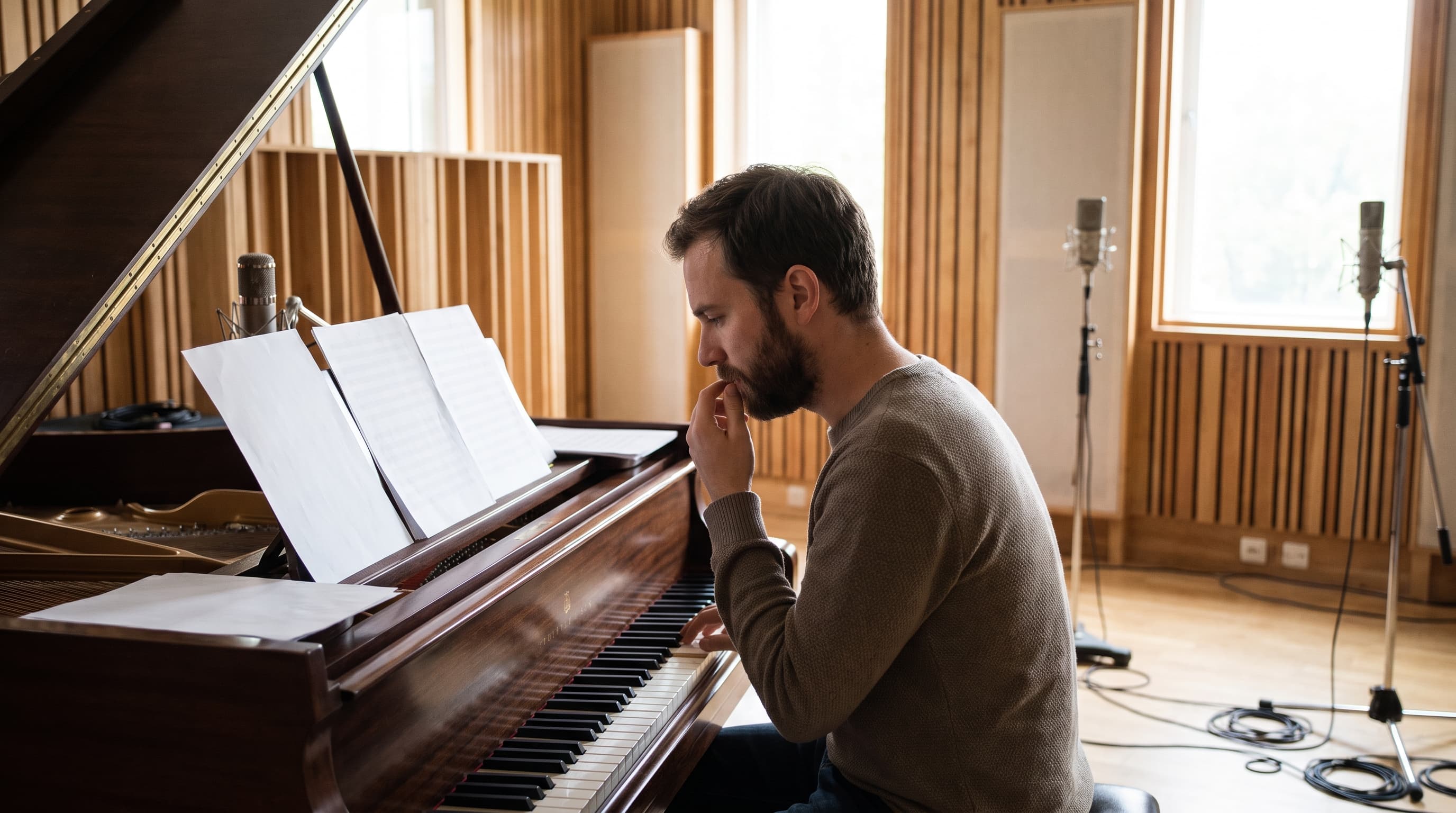
A warm-up is not random singing, but a structured sequence that prepares the whole mechanism. Users report better resonance and pitch accuracy once they follow the order of body release, breath, and then voice.
These routines are done immediately before practice, rehearsals, or speaking engagements as part of daily vocal maintenance. Now let's look at the body changes that make these routines effective.
How It Works
Testing reveals specific physiological shifts happen during a vocal warm up that make singing feel easier. Here's the plain science on temperature, pressure, and coordination without the complicated terms.
Boosting Temperature and Blood Flow to the Folds
A vocal warm up increases upper airway and vocal fold temperature by at least 0.5°C compared to baseline. This reduces tissue viscosity so folds vibrate with less effort.
Testing reveals this lowers phonation threshold pressure for smoother starts. Users report it feels like the voice wakes up gently.
The Power of Semi-Occluded Vocal Tract Exercises
Exercises like lip trills or straw phonation create back pressure that balances supraglottal and subglottal forces. This simple physics trick cuts laryngeal muscle effort.
A 2023 ScienceDirect study on SOVTE shows they lower fundamental frequency and first formant for better vocal economy. Users report easier register transitions after using them early.
Activating Breath Support and Smoothing Transitions
The routine progressively activates respiratory support, laryngeal muscles, resonance, and articulators while smoothing register transitions before heavy demands hit. Testing reveals it re-establishes motor patterns and improves the mucosal wave from posture through to diction.
This helps with consistent tone for choir members or public speakers. These mechanisms translate into real gains backed by recent studies.
Benefits and What The Evidence Shows
The data paints an encouraging picture for anyone adding vocal warm ups to their day. Testing reveals measurable improvements in comfort and performance without promising miracles.
Reducing Fatigue and Protecting Against Injury
SOVTE warm-ups reduce electrical activity in extrinsic laryngeal muscles and improve acoustic measures like jitter and shimmer according to a 2023 ScienceDirect study. Users report far less strain after rehearsals when they prep this way.
A common misconception is that warm-ups just stretch cords like rubber bands. In reality, they boost circulation and coordination instead.

Improving Range, Ease, and Sound Quality
Short 5- and 10-minute warm-ups improve self-perceived vocal ease scores and increase highest fundamental frequency in female collegiate singers. This comes from a 2022 Journal of Voice study comparing warm-ups to resting.
This helps expand comfortable range and achieve better resonance for students and performers. Testing reveals pitch accuracy and vocal economy get a noticeable lift.
Supporting Long-Term Vocal Longevity
Structured vocal exercises including SOVTE consistently improve harmonics-to-noise ratio, phonation time, and flexibility in trained singers according to a 2025 Journal of Voice scoping review. Pair this with hydration, 7-8 hours of sleep, and cool-downs for the best results.
Users report it builds confidence against long-term damage fears. Ready to apply this? Here is the practical walkthrough with exact timings and sequences.
How To Get Started
No fancy gear is needed to begin a vocal warm up routine that sticks. Follow these step-by-step instructions tailored for busy schedules and different experience levels.
Follow This Sequence for Every Session
Always begin with 2 minutes of body release like shoulder rolls and neck stretches plus 3 minutes of diaphragmatic breathing before any sound. Then progress to semi-occluded sounds such as humming or lip trills, sirens, and finally vowel scales.
Many singers use a pitch monitoring app during the breath phase to check support in real time. Here is the recommended sequence to follow for every practice session.
Daily Routine Steps
- Body release — Shoulder rolls and neck stretches to remove tension.
- Breath work — Diaphragmatic breathing to establish core support.
- SOVT exercises — Humming or lip trills to gently wake the cords.
- Range expansion — Sirens and slides to smooth register breaks.
- Articulation — Vowel scales and light phrases to prepare for lyrics.
Sample Routines Based on Your Time
For daily maintenance, try the 5-minute compressed routine with 1 minute per key exercise. Scale up to 10-15 minutes before practice, or 15-20 minutes before performances or recordings.
Testing reveals this matches the minimal effective dose that still delivers results for singers short on time. Check this quick breakdown of time commitments based on your goals.
| Goal | Duration | Focus |
|---|---|---|
Daily Maintenance | 5 minutes | Basics & coordination |
Rehearsal Prep | 10-15 minutes | Range & transitions |
Show Performance | 15-20 minutes | Full vocal stamina |
Building Consistency and Tracking Progress
Start in a comfortable middle range, keep volume conversational, and expand outward gradually while monitoring for any pain. If the voice feels sticky in the morning, add 2-3 extra minutes of humming.
Over time, recording yourself can give helpful feedback on your developing habits. Pair this routine with ample sleep and hydration for a resilient voice. Even dedicated singers hit snags, so let's cover the pitfalls to dodge.
Common Mistakes and Considerations
Testing reveals a few repeated errors can undo the benefits of even the best vocal warm up. Here is how to sidestep them while keeping things realistic for everyday use.
Avoiding the Wrong Order or Intensity
Starting loud scales or high notes first risks strain instead of following the proper sequence of quiet middle-range breath and SOVT work. The misconception that any vocalizing counts as warming up ignores the need for gradual progression and low effort.
Users report far better outcomes when they keep volume soft until rehearsal time. Pushing too hard too early causes unnecessary vocal fatigue.
Tailoring for Different Needs and Schedules
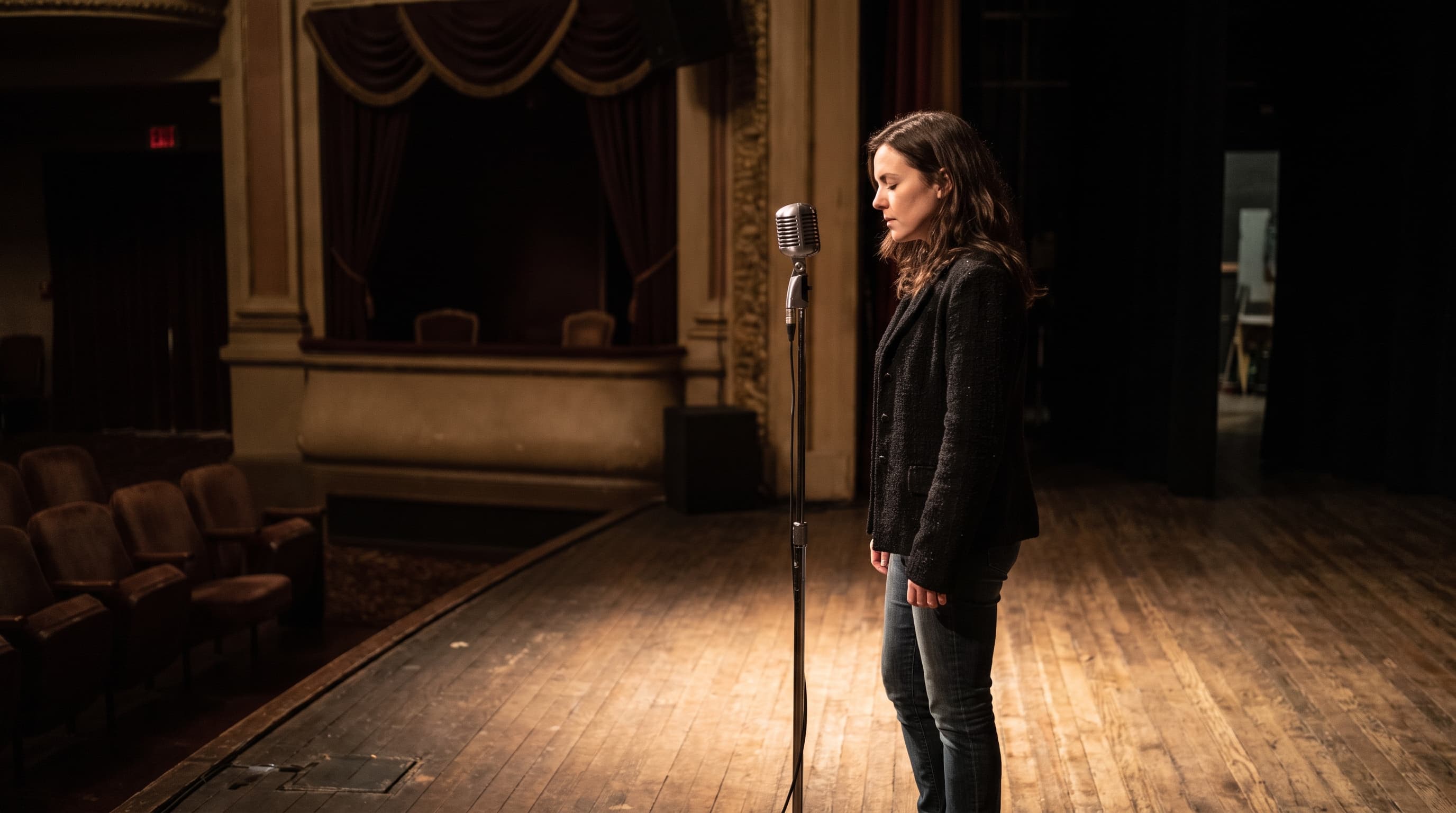
Beginners might need 10-15 minute sessions focused on basics while trained singers refine with range work. Daily 5-10 minute routines support everyone from rappers to classroom teachers.
Consider lack of time by using the compressed version rather than skipping it entirely. Warm-ups help prevent nodules when done consistently, but work best alongside overall vocal hygiene.
Knowing When to Adjust or Get Help
Straw phonation for 10 minutes lowers phonation threshold pressure and boosts fatigue resistance more than scales alone per a 2019 Journal of Voice study. However, stop immediately if pain appears.
Differences in muscle tension or specific genres mean adapting the routine. Testing reveals consistency beats occasional long sessions for long-term gains. Still curious about specifics? The answers below fill in the gaps.
FAQ
How long should a vocal warm up take?
A 5-minute session works well for daily compressed routines while 10-15 minutes suits regular practice. Extending to 15-20 minutes fits pre-performance or recording needs for serious vocalists.
A 2022 Journal of Voice study shows 5- and 10-minute warm-ups improve self-perceived vocal ease and highest fundamental frequency. This proves shorter routines remain effective for busy users.
What are the best vocal warm up exercises for beginners?
Diaphragmatic breathing, humming, and lip trills form the ideal starting set because they establish support with minimal impact. Semi-occluded exercises reduce laryngeal effort per 2023 research.
These movements gently wake up the vocal folds without pushing beginners into straining their range. Consistency with these basics builds a strong, reliable vocal foundation.
Do vocal warm ups prevent nodules or vocal damage?
They lower risk by improving vocal economy and reducing muscle strain as shown in SOVTE studies. However, they must combine with hydration, sleep, and listening to your body for real protection.
They are not a complete safeguard against poor vocal habits. Focusing on sustainable, positive habits helps singers and speakers avoid long-term damage.
What is the correct order for vocal warm up exercises?
Start with 2 minutes of body release plus 3 minutes of diaphragmatic breathing. Move to semi-occluded sounds like lip trills, followed by sirens, scales, and light song phrases.
Testing reveals this sequence prevents strain and prepares the vocal folds for transitions. Following this order ensures the voice wakes up safely and gradually.
How do lip trills and straw phonation help the voice?
These exercises create back pressure that balances forces for efficient phonation with less laryngeal tension. This decreases phonation threshold pressure after 10 minutes according to a 2019 Journal of Voice study.
Users report smoother high notes and less fatigue during long sessions. This simple technique optimizes airflow and cord vibration.
Is 5 minutes enough or do I need 20 minutes?
Five minutes delivers solid benefits for daily maintenance and habit building. A 15-20 minute session before big performances gives fuller preparation as evidenced by duration studies improving ease scores.
Tailor the time to your context like teaching days or intensive rehearsals. A short routine is always better than skipping it entirely.
Should I warm up every single time I sing?
Yes, even short sessions benefit the voice by maintaining coordination and cutting fatigue risk over time. A 2025 scoping review shows consistent exercises improve flexibility and comfort across genres.
Making this a standard habit ensures the vocal folds stay ready for action. It prevents sudden strain from unprepared vocal cords.
Do warm ups help with high notes and register breaks?
Yes, they help by smoothing transitions and increasing highest fundamental frequency as shown in 2022 research on warm-up durations. Start in the middle of your range and expand gradually with sirens then scales for best results.
Users report fewer breaks and improved control after regular practice. Consistent preparation builds muscle memory for those difficult transitions.
Related Articles

How Long Does It Take to Learn Piano as an Adult: Your Positive 12-Month Roadmap to Songs and Brain Health
Entertainment5 min read

Best Digital Piano for Beginners in 2026: 15 Minutes Daily for Brain Health and Stress Relief
Entertainment5 min read

Head Voice vs Chest Voice: A Positive 2026 Guide to Seamless Blends for Aspiring Singers
Entertainment5 min read
Piano Chords for Beginners: 15-Minute Daily Routines for Brain Health and Playing Favorite Songs
Entertainment5 min read
Vocal Warm Up Guide: Step-by-Step Routines From 5 to 20 Minutes for Stronger Singing
Entertainment5 min read
Piano Sheet Music For Beginners: How Short Sessions Build Focus
Entertainment5 min read
Comments
(0)Leave a comment
Your email will not be published. All fields are required.