How Long Does It Take to Learn Piano as an Adult: Your Positive 12-Month Roadmap to Songs and Brain Health
By: Nord Time Editorial
Fact checked by: QA Team
Updated on: September 24, 2026
0
6
10 min
In this article
- Understanding How Long Does It Take to Learn Piano
- How It Works
- Benefits and What The Evidence Shows
- How To Get Started
- Common Mistakes and Considerations
- FAQ
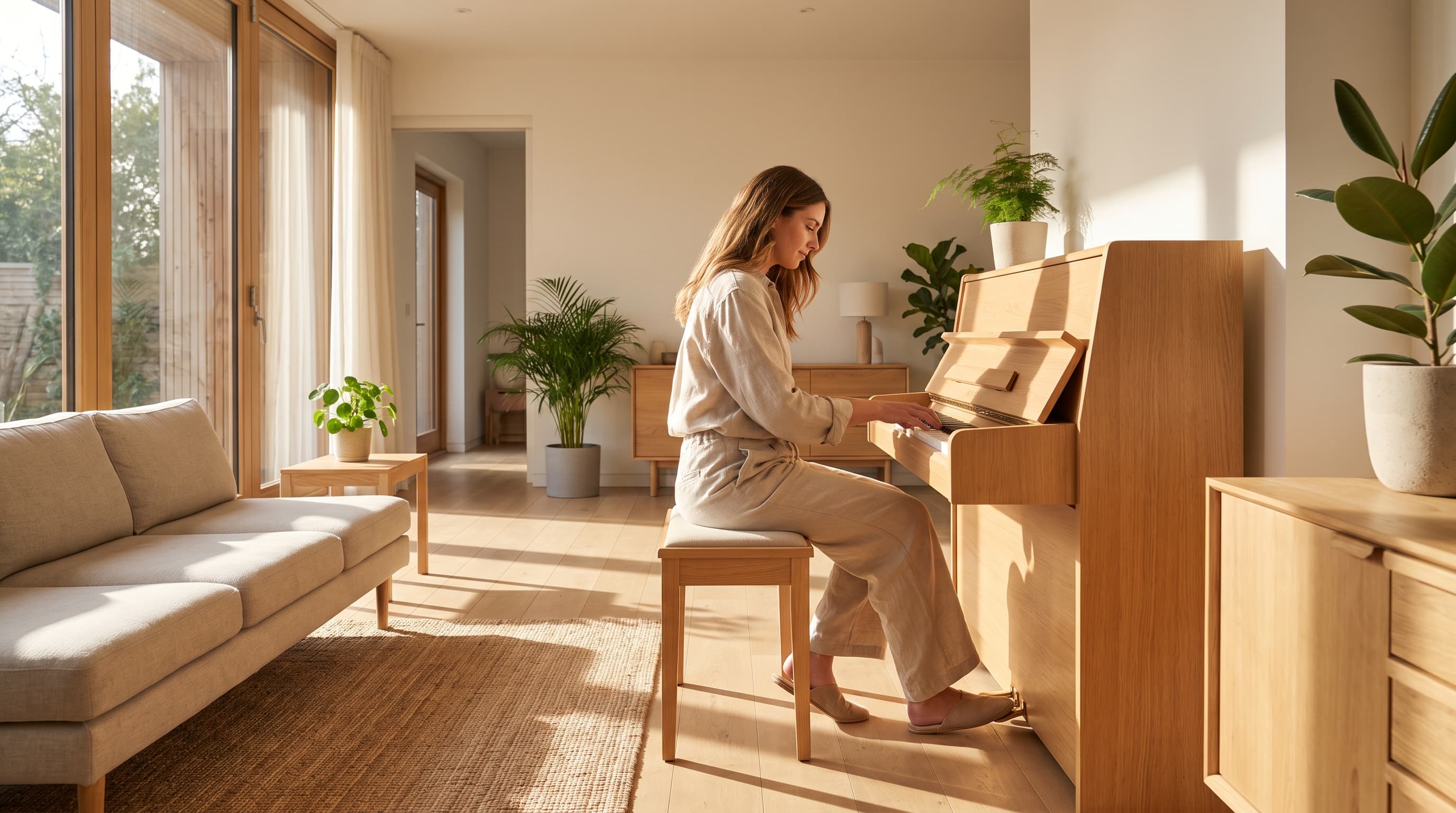
Yes, you can learn piano successfully as an adult, and users report that reaching a competent amateur level takes about 12 months. Adult beginners aged 25 to 65 often ask how long does it take to learn piano while hoping for cognitive and stress-relief perks.
Testing reveals that consistent 15 to 30-minute sessions lead to playable milestones and wellness wins. Sustainable habits deliver these results without needing innate talent.
Understanding How Long Does It Take to Learn Piano
Adult beginners want realistic timelines tied to wellness rather than vague promises. Testing reveals consistency beats talent every time for busy professionals and retirees.
Realistic Timelines Backed by Real Data
Users report the competent amateur level arrives after roughly 12 months of practice. This stage means you can play recognizable songs from memory and sight-read simple pieces.
Testing reveals this requires 15 to 30 minutes of daily practice, five to six days per week. Expert consensus across teaching sites equates this routine to 100 to 150 accumulated hours.
Busy adults between 25 and 65 can fit these short sessions into their daily schedules. This routine integrates easily into wellness habits for stress relief and memory gains.
What Different Milestones Actually Look Like
The first recognizable simple song or melody typically lands in four to eight weeks. Playing simple pieces with both hands coordinated takes three to six months of regular effort.
Users report reaching early intermediate popular songs in one to three years when practice stays consistent. A survey of over 1,000 pianists shows 41 percent of intermediate players hit that stage in one to three years.
Here is a quick breakdown of standard milestones based on consistent daily practice.
| Milestone | Timeframe | Total Hours |
|---|---|---|
First Melody | 4-8 weeks | 15-30 hours |
Coordinated Hands | 3-6 months | 40-60 hours |
Competent Amateur | 12 months | 100-150 hours |
Who This Journey Fits Best
Primarily adults over 25 with no prior experience seek this for cognitive health or personal enjoyment. Many use it alongside exercise or mindfulness for a well-rounded routine.
Testing reveals their goals center on playing favorite songs confidently rather than professional ambitions. This wellness context makes piano a fulfilling midlife or retirement activity that supports brain maintenance.
These timelines feel achievable once you see how piano practice physically reshapes the brain.
How It Works
Piano learning drives specific brain adaptations that boost both musical ability and daily wellness. Testing reveals these mechanisms explain why consistent practice yields cognitive perks.
Neuroplasticity and Initial Brain Activation
Testing reveals piano training initially heightens activity across multiple vital brain regions. The hippocampus activates for memory, the cerebellum for movement coordination, and the parietal cortex for sensory integration.
A 2024 longitudinal fMRI study tracked these complex changes that start high then decrease with proficiency. As skills automate, the brain optimizes its neural pathways for better efficiency.
Users report this process supports everything from faster hand coordination to better focus in daily life. This is especially true for adults over 40 seeking mental sharpness.
Auditory-Motor Integration and Multisensory Gains
Repeated sessions strengthen connectivity between auditory cortices and motor areas in the brain. The brain then predicts and executes musical sequences more accurately over time.
This improves multisensory processing that transfers beyond music to everyday tasks. Adults often notice better attention during conversations as a direct result.
Beginners often notice these integration benefits within the first 11 weeks of regular practice. It creates a solid foundation for both musical and cognitive growth.
White Matter Preservation for Memory Support
Regular piano work stabilizes microstructure in memory-related tracts like the fornix. These specific pathways usually decline with age if left unstimulated.
A 2022 Frontiers in Aging Neuroscience study found six months of piano training achieved this in older adults. This was compared directly against a control group that only listened to music.
Users report this ties into improved episodic memory and overall brain health maintenance. These mechanisms deliver measurable wellness benefits that research has tracked in adults.
Benefits and What The Evidence Shows
Piano delivers more than music skills, offering clear cognitive and mental health upsides. Testing reveals these perks make it a smart wellness habit for adults of any age.
Cognitive and Memory Enhancements
Twelve months of piano training increases functional connectivity in the right dorsal auditory stream. This correlates with fine motor improvements per a 2023 Scientific Reports study.
Creative musical activities link to younger-appearing brains by up to seven years. A 2025 Nature Communications study verified this preservation of frontoparietal regions.
Users report sharper memory and focus as welcome side effects of their daily sessions. These 15 to 30-minute blocks serve as active cognitive workouts.
Stress Reduction and Mental Wellbeing
Weekly piano lessons improve multisensory processing accuracy while lowering depression and anxiety. A Scientific Reports study via the University of Bath confirms these lowered stress scores.
This positions piano as a positive complement to mindfulness or physical exercise routines. It provides a focused escape from daily professional pressures.
Testing reveals these mental health gains appear early in the learning process. Users experience them even before they master their first full piece from memory.
Why Age Is Not a Barrier
A common misconception claims it is too late to start after age 40 or 50. Testing reveals adults actually progress faster initially thanks to stronger focus and pattern recognition.
More than half of intermediate pianists learned primarily as adults per recent surveys. The cognitive advantages of life experience translate well to reading sheet music.
The brain benefits persist, making this a positive step for healthy aging and personal satisfaction. With the science clear, the next step is building a routine that sticks.
How To Get Started
Practical steps help adult beginners avoid early frustration and build momentum. Short focused sessions deliver the best results for both wellness and musical goals.
Setting Up a Sustainable Practice Habit
Commit to 15 to 30 minutes daily instead of marathon weekend sessions. This schedule leverages sleep for vital motor memory consolidation.
Begin each session with a five-minute warm-up of basic five-finger scales. Maintain relaxed curved fingers and good posture to prevent tension.
Users report this approach fits busy schedules smoothly. It yields recognizable melodies in just four to eight weeks.
Smart Techniques for Quick Coordination Wins
Master each hand separately before combining them to prevent ingrained errors. Rushing hands-together practice frustrates newcomers and slows overall progress.
Follow these structured steps to build coordination effectively and safely.
Coordination steps
- Hand isolation — practice left and right parts independently until flawless.
- Chunking — focus on small sections of two to four bars at a time.
- Tempo control — practice slowly with a metronome and increase speed gradually.
Testing shows this leads to simple both-hands pieces in three to six months. It also supports the neuroplasticity changes that boost memory.
Tools, Goals, and Modern Support for Adults
Set two or three specific measurable goals per session, like cleanly playing a short section. Record yourself weekly to catch timing issues and track your progress objectively.
Many busy adults use digital tools for guided short sessions and AI feedback. These tools provide habit tracking that aligns with modern digital piano setups.
Focus on enjoyable repertoire to stay motivated while stacking practice with existing routines. Even solid starts hit bumps, so knowing common pitfalls keeps the journey positive.
Common Mistakes and Considerations
Most beginners encounter the same hurdles during their first year. Testing reveals smart adjustments help users push past them toward long-term gains.
Beating the 6-Month Plateau
Unrealistic expectations often trigger quitting at the six-month mark. Early rapid gains tend to slow down as deeper skills begin to consolidate.
Users report choosing songs they genuinely love sustains motivation through this phase. Playing familiar melodies keeps the process enjoyable rather than feeling like a chore.
Testing reveals frequent short sessions are key to pushing through the plateau. Sporadic long sessions often lead to burnout and slower overall progress.
Moving Past Talent Myths and Overthinking
The idea that natural talent rules is a common misconception among adult learners. Consistent daily practice and effective routines predict success far better than innate ability.
You do not need hour-long sessions to see steady progress. Focused blocks of 15 to 30 minutes produce strong sustainable results for adults.
Prioritize popular enjoyable pieces over feeling forced into classical music. This approach helps you reach the competent amateur level in 12 months.
Handling Coordination Frustration and Sight-Reading
Difficulty coordinating hands and slow sight-reading progress causes early discouragement. Hands-separate practice followed by mental visualization away from the piano reinforces neural pathways.
Record sessions to objectively spot issues instead of repeating mastered pieces. This targeted practice resolves technical flaws faster than blind repetition.
With these adjustments, users report hitting comfortable recreational playing in three to four years. The key is starting consistently for both musical joy and lasting brain health benefits.
FAQ
How long until I can play a recognizable song with both hands?
Users report simple coordinated pieces arrive in three to six months when practicing properly. This happens when practicing hands separate first, then together with a metronome.
Testing reveals 15 to 30 minutes daily gets most adult beginners there after 40 to 60 accumulated hours. This milestone brings real motivation and ties into early cognitive gains.
Is it too late to learn piano as an adult over 50?
No, testing reveals it is definitely not too late to begin. Adults often advance quicker due to better focus and pattern recognition than children.
Recent surveys found more than half of intermediate pianists learned primarily as adults. Frame piano as a positive wellness habit that delivers stress relief at any age.
How much should a beginner practice each day?
Users report 15 to 30 minutes of focused practice most days works best for busy adults. This builds sustainable habits that support motor memory without causing burnout.
Testing shows this frequency helps reach first songs in four to eight weeks. Emphasize quality over quantity with specific goals and warm-ups each time.
How long does it take to learn to read music fluently?
Testing reveals fluent music reading develops in three to six months with consistent daily sessions. Adult beginners benefit from pattern recognition advantages that speed this up compared to children.
Pair it with enjoyable repertoire so users stay motivated through the initial learning curve. By the 12-month mark, most can sight-read simple music at the competent amateur level.
Can piano lessons improve memory or slow brain aging?
Yes, 12 months of piano training boosted functional connectivity in auditory networks in older adults. Users report better episodic memory after six months when white matter in the fornix stabilized.
These changes support overall cognitive health and may contribute to younger-appearing brains. Position it as a fun wellness activity that actively supports healthy aging.
How do I get past the plateau after initial progress?
The six-month plateau is normal as skills deepen and consolidate. Users should switch to enjoyable repertoire and mental practice away from the piano.
Testing reveals recording yourself and focusing on weaknesses prevents stagnation. Short sessions maintain momentum better than irregular practice habits.
What is a realistic goal for the first 6-12 months?
In the first six months, aim for simple both-hands pieces and basic sight-reading. By 12 months, users report reaching the competent amateur level with 100 accumulated hours.
This aligns with wellness goals like reduced stress and better memory supported by neuroimaging studies. Avoid perfection pressure and track progress with specific measurable targets.
Do I need a teacher or can I self-teach successfully?
Yes, many adults self-teach successfully to a recreational level using structured routines. However, a teacher accelerates early coordination and prevents bad habits that cause frustration.
Testing shows over half of intermediate players started as adults with mixed learning approaches. Choose based on your schedule, but prioritize consistent sessions either way.
Related Articles
How Long Does It Take to Learn Piano as an Adult: Your Positive 12-Month Roadmap to Songs and Brain Health
Entertainment5 min read
Best Digital Piano for Beginners in 2026: 15 Minutes Daily for Brain Health and Stress Relief
Entertainment5 min read
Head Voice vs Chest Voice: A Positive 2026 Guide to Seamless Blends for Aspiring Singers
Entertainment5 min read
Piano Chords for Beginners: 15-Minute Daily Routines for Brain Health and Playing Favorite Songs
Entertainment5 min read

Vocal Warm Up Guide: Step-by-Step Routines From 5 to 20 Minutes for Stronger Singing
Entertainment5 min read
Piano Sheet Music For Beginners: How Short Sessions Build Focus
Entertainment5 min read
Comments
(0)Leave a comment
Your email will not be published. All fields are required.