10 Practical Ways To Save Money That Reduce Stress And Boost Wellbeing In 2026
By: Nord Time Editorial
Fact checked by: QA Team
Updated on: September 25, 2026
0
3
10 min
In this article
- Why Ways to Save Money Matter for Your Health and Peace of Mind
- 10 Effective Ways to Save Money That Actually Work
- How to Choose and Apply These Ways to Save Money
- FAQ

Costs keep climbing in 2026, and plenty of middle-income adults, young professionals, and families feel the squeeze every month. Tracking exactly where cash goes is becoming a necessity for long-term financial survival.
Users report that finding smart ways to save money does not just grow a bank balance. It slashes financial anxiety, improves sleep quality, and lifts overall life satisfaction.
This guide shares actionable strategies that turn small routine tweaks into big wins for both a wallet and mental health. Let's look at how building better financial habits creates immediate relief.
Why Ways to Save Money Matter for Your Health and Peace of Mind
Middle-income adults living paycheck to paycheck often deal with insufficient emergency savings that spike daily stress and hurt sleep. Without a financial buffer, every unexpected bill becomes a crisis that drains mental energy.
Testing reveals regular savers report 63% life satisfaction versus just 47% for non-savers, according to BSA/Understanding Society analysis. Data also shows over two times lower odds of anxiety and depression when financial assets reach £80,000 or more.
These strategies help build that safety net so money worries stop hijacking daily focus. You can invest that freed-up energy into wellness habits instead of stressing over upcoming payments.
With the why covered, here are the exact ways to save money that deliver those wellness benefits without feeling like deprivation.
10 Effective Ways to Save Money That Actually Work
These curated approaches pull from real habits that busy people use to cut expenses, automate progress, and free up cash for what matters. Each one includes a concrete tactic that compounds over time while easing the mental load of financial pressure.
Let's break down these core strategies so you can pick the ones that fit your current lifestyle and income level.
Track Your Spending to Spot Hidden Leaks
Users report that tracking every expense for a full 30 days with a free app or spreadsheet uncovers sneaky purchasing patterns. Daily coffee runs or random online shopping can easily total nearly £2,000 yearly.
This step helps families and young professionals see exactly where costs creep in so they can redirect funds toward an emergency fund. Testing reveals the visibility alone lowers financial stress and sets up the other strategies for success.
Set aside ten minutes every Sunday to review where your money went during the previous week. This habit creates immediate accountability and stops unconscious spending before it drains your account completely.
Build a Budget Around the 50/30/20 Rule
Divide after-tax income so 50% covers needs, 30% wants, and 20% goes to savings and debt reduction. This popular rule keeps things balanced without extreme cuts that often lead to budget burnout.
Middle-income adults say this structure stops the overwhelm of complicated budgeting and creates room for wellness spending like therapy or nutritious meals. Stick with it for a couple of months, and users report feeling more in control and optimistic about the future.
Here is how a typical monthly income breakdown looks when applying this balanced budgeting method.
| Category | Allocation Focus |
|---|---|
50% Needs | Rent, utilities, groceries |
30% Wants | Dining, hobbies, travel |
20% Future | Savings, investments, debt |
Automate Transfers to High-Yield Savings
Set up automatic transfers for 20% of each paycheck to a high-yield savings account the day after payday. The money moves before you can spend it, bypassing the need for daily willpower.

The best accounts offered up to 5% APY in mid-2026, over ten times the traditional banking rates. Testing reveals modern digital banking tools make this setup effortless for busy professionals.
A University of South Australia study links this consistent saving habit to a 0.475 point mental health improvement. Watching the balance grow on autopilot provides a regular mood boost that encourages further saving.
Use the 30-Day Rule on Impulse Purchases
Add non-essential items to a wishlist and wait a full 30 days before buying to create a structured cooling-off period. This pause interrupts the emotional spending triggers that drain monthly budgets.
Young professionals and retirees report this behavioural trick reduces regret purchases and frees hundreds monthly for meaningful goals. It directly supports better self-esteem and patience, according to randomised studies on consumer habits.
Here is a simple process to implement this rule effectively for online shopping.
30-Day Delay Steps
- Save to wishlist — Add the desired item to a list instead of your shopping cart.
- Log the date — Note the exact day you are allowed to review the purchase again.
- Re-evaluate value — Check the item after 30 days to see if the desire has faded.
Audit and Cancel Unused Subscriptions
Review all memberships and subscriptions monthly, then cancel anything unused for over 30 days to stop the slow drain on your budget. One example showed switching plans saved £600 yearly, and the same logic applies to streaming and apps.
Users report the extra cash lowers anxiety and lets them redirect funds toward health-focused activities instead of forgotten services. Set a calendar reminder on the first of every month to do a quick sweep of recurring charges.
Many digital banks now offer built-in subscription trackers to highlight active direct debits. Using these tools speeds up the audit process and prevents sneaky auto-renewals.
Meal Prep and Switch to Generic Brands
Plan weekly meals and buy store-brand or generic versions to slash grocery bills by hundreds per month without sacrificing nutrition. Families dealing with rising food costs say this habit creates predictability that improves sleep and reduces mealtime stress.
The approach proves small, consistent changes deliver real results even on tight food budgets. Buying seasonal produce and batch-cooking staples can push these savings even higher.
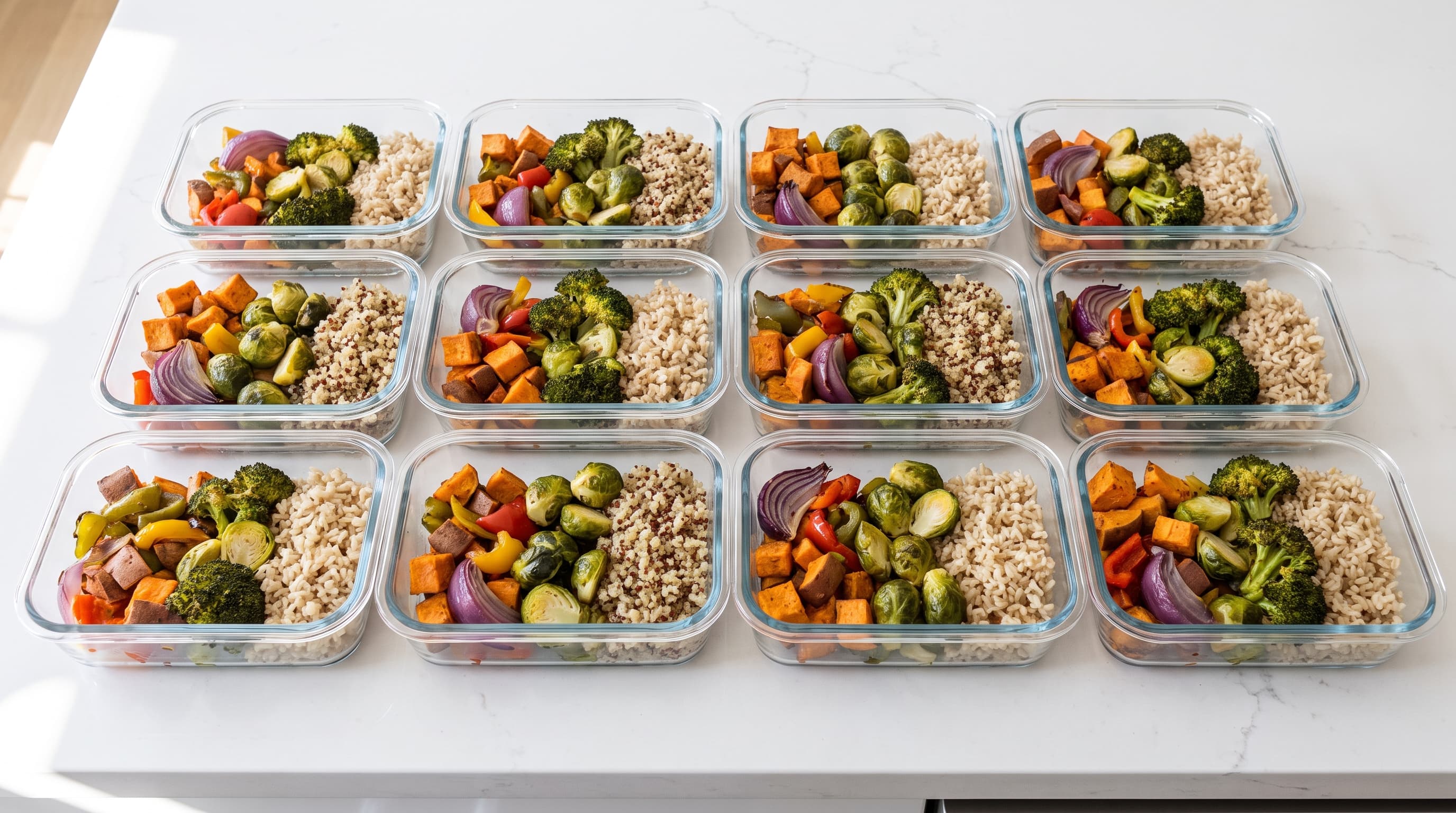
Store brands are often manufactured in the exact same facilities as their premium counterparts. Switching out just five core pantry staples can save up to £50 monthly on a family grocery bill.
Lower Energy Bills with Simple Tweaks
Switch to LED bulbs and adjust the thermostat 3 to 4 degrees Celsius when away from home to save around £225 yearly on lighting. You can also save up to 10% on heating and cooling with minor adjustments.
Retirees and busy households report these no-effort changes add up fast while giving a tangible win that boosts motivation. The resulting savings can then fund preventative care or wellness goals rather than utility companies.
Smart thermostats offer another layer of efficiency by learning your schedule automatically. They turn off heating systems when the house is empty, ensuring no energy is wasted during work hours.
Pay Down High-Interest Debt First
Focus extra payments on high-interest debt to stop the interest drain that eats into future savings potential. Tackling credit cards first frees up future cash flow for long-term investments and security.
Adults with mixed experience levels say tackling this first creates quick momentum and measurable relief that improves mental wellbeing. Research shows timely debt payments combined with saving habits causally lift mental health scores over time.
Now that the core tactics are clear, let's look at how to pick the right ones for your situation and make them stick for good.
How to Choose and Apply These Ways to Save Money
Figure out your top pain point first, whether it is impulse buys, subscription creep, or zero emergency savings, then pick two strategies that match. Start small so the habits feel sustainable rather than overwhelming.
Track results monthly to see both the financial growth and the drop in stress levels. Building momentum slowly works better than attempting a complete financial overhaul in one weekend.
Match Strategies to Your Biggest Pain Point
If living paycheck to paycheck is the issue, begin with tracking spending and the 50/30/20 rule to gain immediate visibility. Young professionals overwhelmed by debt should prioritise paying off high-interest balances first.
This targeted approach helps avoid all-or-nothing thinking that leads to burnout. It keeps the focus on positive progress that aligns with your specific financial reality rather than generic advice.
Focusing on a single metric at a time prevents decision fatigue. Once the first pain point is managed, you can shift attention to secondary financial goals.
Start Small and Layer Habits Over Time
Begin with automation or the 30-day rule because they require minimal daily effort yet deliver quick wins that build confidence. Testing reveals even £50 monthly cuts allocated to savings add £600 extra per year.

Layer on more tactics as comfort grows so the process supports mental health instead of creating new stress. Trying to cut every expense at once usually results in restrictive fatigue and rebound spending.
Small habits compound over months and years without feeling like a sacrifice. This gradual layering turns temporary budgeting into a permanent lifestyle upgrade.
Monitor Progress and Adjust as Life Changes
Review your numbers every month and celebrate both the cash saved and the calmer mindset that follows. Those who maintain consistent habits sleep better and feel more optimistic, according to Bristol University research.
Once routines are solid, digital financial tools can provide an extra layer of support to track net worth. These keep your wellness-focused financial plan on track for the long haul.
Life events like a new job or moving house will require budget adjustments. Stay flexible and re-evaluate your allocations whenever your income or core expenses shift.
FAQ
How can I save money on a tight budget in 2026?
Even on lower incomes, small consistent actions create meaningful change without deprivation. Start with tracking spending for 30 days to find leaks and automate small transfers afterward.
A £50 monthly cut becomes £600 yearly while also lowering anxiety, as shown in multiple wellbeing studies. Focus on gaining control of your cash flow rather than focusing purely on restriction.
Does saving money actually improve mental health?
Yes, the connection between financial security and mental wellbeing is strong. A 22-year University of South Australia study of over 20,000 people found that a 1 percentage point increase in saving is linked to a 0.475 point improvement in mental health scores.
Users report less worry, better sleep, and higher life satisfaction once an emergency fund is in place. Building a safety net offers a sense of freedom that directly lowers daily stress levels.
What are the easiest no-effort ways to save money?
Automation stands out because it happens in the background after payday. Set transfers to a high-yield account offering around 5% APY in 2026 and cancel unused subscriptions during a monthly audit.
These steps require almost zero willpower, yet users report they reduce financial stress visibly. They free up mental space for enjoyable wellness activities without feeling restrictive.
How much of my income should I try to save each month?
The 50/30/20 rule offers a realistic target of 20% toward savings and debt after taxes. Start lower if needed and increase gradually so it feels sustainable for middle-income families.
Testing reveals the habit itself, not just the amount, drives the 63% life satisfaction rate among regular savers versus 47% for non-savers per BSA data. Consistency matters more than hitting a perfect percentage right away.
Should I build savings or pay off debt first?
Focus on high-interest debt first to stop the drain, then pivot to an emergency fund of three to six months of expenses. This order prevents new high-cost problems while building long-term security.
Positive results come quickly, and users report the dual progress improves self-esteem and reduces overall money-related anxiety. Small victories on credit card balances build momentum for larger saving goals.
Can tiny changes like canceling subscriptions really add up?
Absolutely, these small cuts compound fast over a full year. One plan switch saved £600 a year, and the same logic applies to forgotten streaming services.
Combine this with generic brands at the grocery store to cut hundreds monthly. Research shows these consistent actions improve mental wellbeing even more for those starting with limited assets.
How do I stop impulse buying for good?
The 30-day rule works wonders by adding items to a wishlist and waiting before purchase. It interrupts emotional triggers that drive overspending for many young professionals.
Pair it with spending tracking to see real patterns and understand your triggers. Users report less regret, more savings, and a surprising boost in patience and life satisfaction.
Are high-yield savings accounts worth using in 2026?
Yes, they can grow money over ten times faster than traditional accounts, with rates up to 5% APY. Automate deposits so the balance compounds without effort or daily management.
This strategy supports both financial goals and mental health by providing visible progress. The growing buffer eases future-related stress, according to psychological studies.
Related Articles

Index Funds vs Mutual Funds: How Low-Cost Indexing Cuts Stress and Boosts Retirement Outcomes for Busy Savers
Finance5 min read

How to Prepare a Travel Budget for Stress-Free Adventures in 2026
Finance5 min read

Emergency Fund Definition: How a 3-6 Month Buffer Reduces Stress for Beginners in 2026
Finance5 min read

Real Estate Investing for Beginners in 2026: How Young Professionals Can Start with House Hacking
Finance5 min read
10 Practical Ways To Save Money That Reduce Stress And Boost Wellbeing In 2026
Finance5 min read

How to Budget for a Wedding in 2026 Without Derailing Your Future Goals
Finance5 min read
Comments
(0)Leave a comment
Your email will not be published. All fields are required.