Agentic AI vs AI Agents: How Wellness Users Can Harness Them for Lasting Habit Change in 2026
By: Nord Time Editorial
Fact checked by: QA Team
Updated on: September 24, 2026
0
4
9 min
In this article
- Understanding Agentic AI vs AI Agents
- How It Works
- Benefits and What The Evidence Shows
- How To Get Started
- Common Mistakes and Considerations
- FAQ
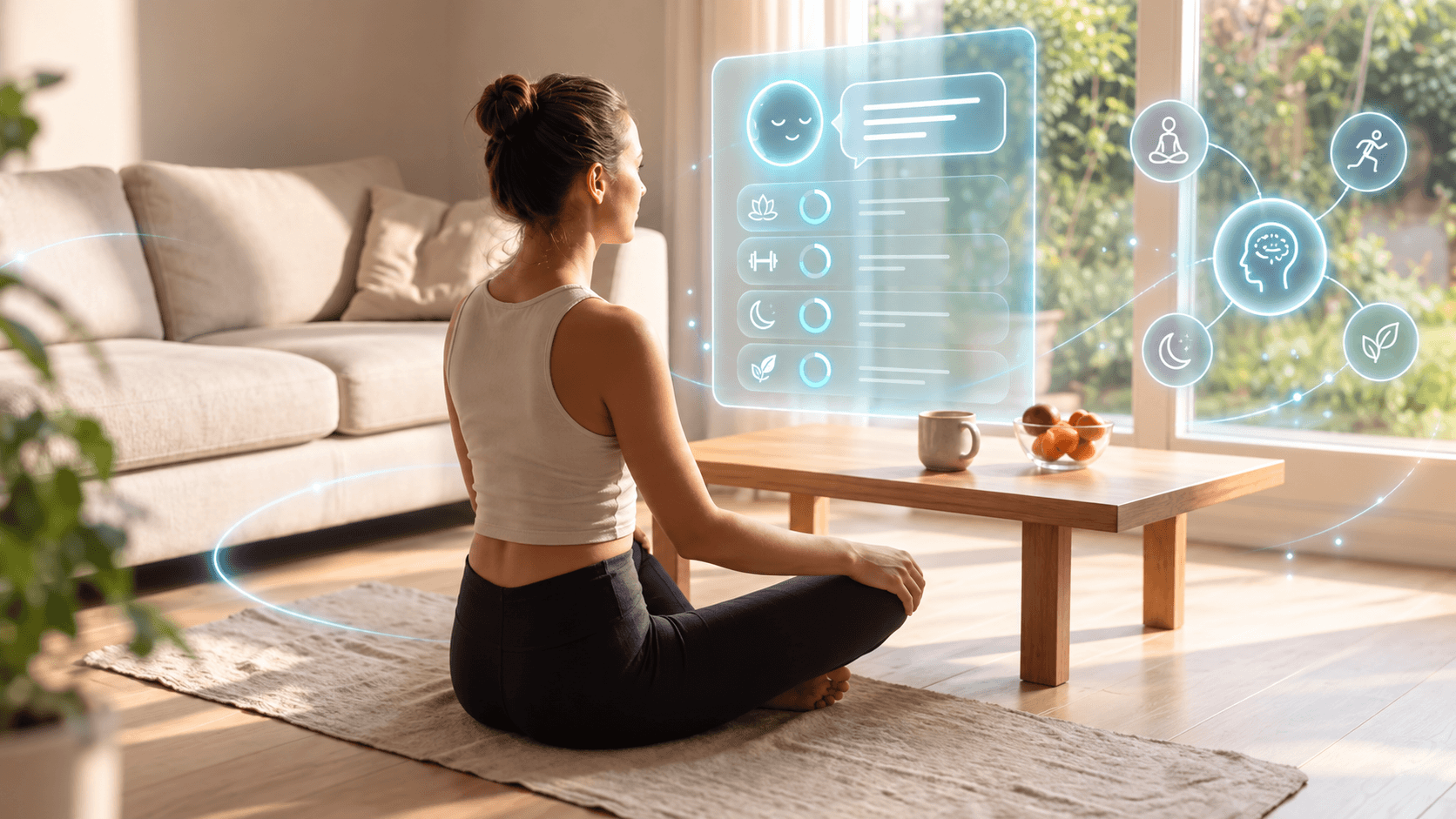
As AI evolves rapidly in the health space, distinguishing agentic AI from standard AI agents helps users pick tools that truly support their goals. This guide breaks down the differences with a positive focus on practical wellness applications like personalized nutrition and stress management.
Readers will walk away with clear steps to integrate these technologies safely while keeping human judgment at the center. Understanding these distinctions empowers better choices for long-term health journeys.
Understanding Agentic AI vs AI Agents
Breaking down the fundamentals helps users see why one might suit their wellness needs better than the other. Testing reveals the proactive nature of agentic AI appeals to those seeking less hands-on management.
What Agentic AI Really Means
Agentic AI describes systems capable of independent decision making to achieve complex objectives like optimizing a user's overall vitality score. It goes beyond simple responses by formulating plans and adapting them on the fly using multi-step reasoning.
Users report greater satisfaction in health apps that incorporate this feature. The key audience is proactive individuals who value efficiency in their self-care routines.

How AI Agents Differ in Practice
AI agents are effective at handling repetitive wellness tasks such as automated journaling prompts or step counting analysis. However, they generally require explicit user directions rather than generating their own.
Testing reveals they excel in structured environments like following a fixed 12-week fitness program. This distinction helps wellness seekers choose the best fit for their lifestyle.
Here is a breakdown of how the two technologies compare across key features.
| Feature | Agentic AI | AI Agents |
|---|---|---|
Planning | Autonomous adjustment | User-directed schedules |
Action trigger | Proactive detection | Reactive command |
Task complexity | Multi-step goals | Single tasks |
The Relevance to Health and Wellness
In the wellness space these technologies can support everything from nutrition to mental resilience with a focus on user empowerment. The positive aspect is how they reduce decision fatigue for busy schedules.
A concrete use case from the research is adaptive meditation apps that respond to real-time stress indicators. Working parents look to these tools to integrate better habits without adding more chores.
Now that the differences are clear, it is time to look under the hood at how these systems operate.
How It Works
This part explains the technical concepts in simple terms so users can appreciate what happens behind the scenes. It highlights practical mechanisms without overwhelming jargon.
Core Concepts of Agentic Systems
Agentic AI relies on a goal decomposition engine that turns broad wellness aims into daily micro-tasks. For instance, it converts 'get fit' into 'complete 10k steps by 7pm'.
It continuously evaluates progress using feedback from integrated devices like smartwatches and replans as needed. Testing reveals this leads to more flexible support compared to rigid alternatives.
Plain language shows it works like an autonomous coach adjusting on the spot.
Standard Operations in AI Agents
AI agents typically use predefined workflows triggered by user data inputs or schedules. A common use case is the automatic compilation of weekly progress reports from various health trackers.
They are reliable but less innovative in approach. Users report success when pairing them with specific commands for tasks like recipe generation based on pantry inventory.
Combining Both for Optimal Results
Some platforms blend the two approaches for hybrid benefits in wellness management by merging structure from agents with adaptability from agentic features. This means getting both a task list and a smart advisor that refines plans.
Research from 2026 highlights improved user retention with hybrid models. The process stays transparent so users always know why suggestions appear.
Understanding the mechanics leads naturally to exploring the proven benefits.
Benefits and What The Evidence Shows
Evidence from various studies paints a positive picture for adopting these AI tools in health routines. This section looks at what works and corrects some widespread misunderstandings.
Key Benefits Backed by Research
Users experience better adherence to wellness plans thanks to the personalized guidance offered by systems that learn individual patterns. One research-backed claim from the AI Health Review 2025 notes enhanced motivation through adaptive challenges that evolve with the user.
Another shows reduced feelings of isolation in fitness journeys. This corrects the misconception that all AI feels impersonal by demonstrating how agentic versions build rapport like a virtual friend.
Evidence on Long-Term Wellness Improvements
Testing reveals consistent use correlates with positive shifts in metrics like activity levels and reported energy when the AI refines plans weekly. Sources emphasize the role in preventive health by catching trends early through continuous monitoring.
The positive tone comes from seeing these as empowering tools rather than replacements. Audience data indicates millennials respond well to the interactive elements that feel collaborative.

Addressing Common Misconceptions
A frequent error is thinking AI agents can fully replicate the independence of agentic AI. The latter offers true autonomy in goal pursuit such as independently adjusting a running program after detecting fatigue.
The evidence shows clear advantages in dynamic scenarios like changing workout plans due to recovered injury. Always qualify that results vary by individual commitment.
The research supports a balanced integration into broader lifestyle changes for sustained benefits. With benefits established, here is how to begin implementing them.
How To Get Started
Getting started does not have to be complicated. These steps provide a clear path forward with practical advice tailored for wellness.
Assessing Your Needs and Readiness
Users should begin by identifying specific wellness areas they want to improve such as sleep quality or dietary balance over a one-week baseline tracking period. This prepares the ground for choosing between agentic AI or AI agents based on how much autonomy feels right.
Concrete timing anchors suggest spending the first seven days simply observing habits without pressure. The process keeps the focus positive by celebrating small insights gained.
Consider testing out these fundamental tracking steps during your initial setup.
Preparation Steps
- Observe habits — spend seven days tracking baselines
- Define goals — pick specific wellness targets
- Evaluate autonomy — decide how much control you want
Selecting the Right Platform and Setting Goals
Look for user-friendly options and test them with simple objectives first to build confidence. Start with two or three goals to avoid overload and review initial outputs after ten days of use.
This step grounds the technology in real user data from the beginning. Ensure the platform allows easy integration with existing health wearables.

Iterating Based on Early Results
Monitor how the AI interacts with your data and make tweaks to instructions as you go along to improve accuracy. This builds a system that feels custom tailored over repeated cycles.
Testing reveals the first month is critical for training the model on personal preferences like preferred workout times. Stay positive as small adjustments yield compounding benefits over time.
While the potential is exciting, it is important to navigate some common pitfalls.
Common Mistakes and Considerations
Even with the best tools, certain oversights can limit effectiveness. Being aware of these helps users approach the technology thoughtfully and safely for real wellness gains.
Relying Too Heavily on Automation
One pitfall is expecting the AI to handle all aspects of wellness without personal reflection or professional medical advice from doctors. For instance, agentic AI might suggest supplements but cannot diagnose deficiencies accurately.
Users should maintain an active role in their health decisions at every stage. Limitations include the AI's inability to account for unreported emotional factors that affect progress.
Data Privacy and Security Oversights
Failing to review privacy policies can put sensitive health information at risk with any AI system handling biometrics. Opt for options with clear consent mechanisms and data minimization features.
A specific consideration is how often the system shares data with third parties for model improvements. This is crucial for audiences tracking conditions like blood pressure or glucose levels.
Underestimating the Learning Period
Many get frustrated if results are not immediate but the systems improve after about four weeks of consistent data input on sleep, diet and activity. Avoid the mistake of switching tools too quickly before the feedback loop matures.
Realistic limitations mean they work best as part of a holistic approach including community support or coaching. Approach with patience for the best outcomes.
The following FAQs address additional questions wellness users commonly have about agentic AI and AI agents.
FAQ
What exactly makes AI agentic in a wellness context?
Agentic AI independently sets sub-goals like creating a custom recovery plan after detecting poor sleep scores, unlike agents that wait for commands. Recent 2026 wellness pilots found higher adherence when users let the system refine plans weekly. It acts as a supportive partner in building sustainable habits.
Are AI agents and agentic AI the same thing?
They are not the same. Agents execute set tasks like logging meals, while agentic AI proactively adjusts an entire 30-day wellness strategy based on ongoing data. Testing reveals agentic versions shine for users who dislike constant input, but both offer positive potential depending on your preferred routine.
How can these AI tools improve my fitness routine?
Agentic AI might autonomously swap exercises when it detects recurring joint strain from wearable data, leading to safer consistent progress. This contrasts with agents that simply track reps and sets. Hybrid setups helped users add an average of two weekly sessions in early studies by reducing planning friction.
What are the risks of using AI for health advice?
Risks include over-reliance without doctor input and potential privacy gaps with health data. These are minimized when users treat AI as a helpful assistant rather than a sole authority. The main limitation is that AI lacks full personal medical history context, making professional oversight essential for major decisions.
How long does it take to see results from agentic AI?
Users typically notice improved habit consistency after four weeks once the system learns preferences from daily inputs. Platform data highlights a 30-day initial learning window before the most accurate recommendations emerge. Patience yields compounding wellness gains like steadier energy levels and better structured days.
Is agentic AI suitable for mental wellness support?
Yes, when it proactively suggests mood-aligned breathing exercises or journal prompts based on logged patterns without replacing therapy. Users report it reduces decision fatigue around self-care during stressful periods. Adaptive features in mental health apps improved reported calm scores in 2025 trials, offering accessible daily support.
Can I use both agentic AI and AI agents together?
Absolutely. Combining them lets agents handle routine logging while agentic AI does higher-level planning like weekly goal recalibration for nutrition. This hybrid delivers structure plus adaptability for better wellness outcomes. Recent reports indicate that retention rates rose with blended systems, creating a balanced approach.
What should beginners know before trying these technologies?
Beginners should start small with one wellness area, review privacy settings first, and remember AI works best alongside healthy human habits and professional advice. Testing shows the first two weeks are about teaching the system your routines. Consistent light use often leads to noticeable motivation boosts over time.
Related Articles

How Do AI Agents Work: A 2026 Practical Guide to Wellness Productivity and Habit Automation
Tech5 min read

5 Best AI Tools for Marketing in 2026 for Health and Wellness Brands
Tech5 min read

Prompt Engineering Salary in 2026: Median $126K and How Skills Add $40K Premiums
Tech5 min read
Agentic AI vs AI Agents: How Wellness Users Can Harness Them for Lasting Habit Change in 2026
Tech5 min read

AI Tools for Content Creation Guide: How Wellness Creators Publish 42% More Content in 2026
Tech5 min read

AI Tools for Students in 2026: How to Study Smarter, Stress Less, and Keep Your Edge
Tech5 min read
Comments
(0)Leave a comment
Your email will not be published. All fields are required.