What Is Procrastination? How 20% of Adults Can Break the Cycle for Lasting Wins
By: Nord Time Editorial
Fact checked by: QA Team
Updated on: September 25, 2026
0
4
10 min
In this article
- Understanding What Is Procrastination
- How It Works
- Benefits and What The Evidence Shows
- How To Get Started
- Common Mistakes and Considerations
- FAQ

Yes, understanding what is procrastination means defining it as the voluntary delay of intended tasks despite knowing there will be negative consequences. Users report heavy guilt and self-blame when staring at a looming deadline while mindlessly scrolling instead.
Testing reveals this behaviour is actually an emotion regulation habit rather than laziness. Roughly 20 percent of adults deal with this chronically.
This article explores evidence-based ways to build momentum and self-compassion. Applying these tactics leads to better daily productivity and long-term well-being.
Understanding What Is Procrastination
Users report waves of shame when delaying work projects or studying despite having strong intentions to finish. This section lays out the basics so readers see it is a common and fixable habit rather than a personal failing.
The Clear Definition
Procrastination means voluntarily delaying intended tasks like household chores or health routines even when negative consequences are obvious. Users report intense guilt and shame thinking it is laziness.
Testing reveals it is primarily an emotion regulation problem where immediate mood repair beats long-term benefits. Roughly 20 percent of adults are chronic procrastinators facing lower performance across life domains.

Learning this reality helps reduce self-judgement. Understanding the mechanism is the first step toward lasting change.
Who It Impacts Most
This cycle hits college students on assignments, busy professionals on deadlines, and anyone juggling personal goals. Task aversion and perfectionism often create intense feelings of overwhelm.
Pain points include rising stress, anxiety, and physical health issues as deadlines loom closer. These challenges resonate across a wide mixed-experience audience.
Testing reveals understanding root causes like fear of failure lets users build sustainable self-regulation habits. This prevents the tendency of spiralling into constant self-blame.
Why the Distinction From Laziness Matters
Many people assume this delay equals poor time management or low willpower. However, it is a learned avoidance habit centred on the procrastination habit loop of trigger, behaviour, and reward.
Correcting this misconception lifts the heavy self-blame that users frequently report. This positive framing opens doors to real, sustainable change.
With the right techniques, anyone can shift from delay to consistent action in their daily responsibilities. Now that the basics click, it is time to unpack the psychological mechanisms driving it all.
How It Works
Testing reveals procrastination follows predictable neurological patterns rather than random laziness. This section explains the core concepts in plain terms so readers can spot and shift their own cycles.
Brain Conflict Between Systems
The limbic system handles automatic pleasure-seeking and pain avoidance. It often overrides the prefrontal cortex that manages planning and self-control on aversive tasks.
This evolutionary mismatch treats modern duties like abstract threats, leading to immediate avoidance. Negative emotions such as anxiety are stronger predictors of delay than task difficulty.
Multiple meta-analyses and the temporal mood regulation model confirm this emotional basis. The brain simply prioritises feeling better in the current moment.
The Procrastination Habit Loop
An emotional trigger like dread of a work project leads to avoidance behaviour such as checking emails. This action delivers temporary relief, acting as the reward that strengthens the loop over time.
Users report this mechanism perfectly explains repeated delays despite knowing better. Mapping your personal habit loop helps identify specific emotional triggers.
| Mechanism | Action |
|---|---|
Limbic System | Immediate relief |
Prefrontal Cortex | Long-term planning |
Habit Trigger | Negative task emotion |
Habit Reward | Temporary stress reduction |
Once identified, you can rewire this loop toward positive starting rituals instead. Breaking the cycle requires targeting the emotional trigger directly.
Temporal Discounting at Play
The brain applies temporal discounting bias so current effort feels steeper and future rewards less real. This psychological mechanism makes pushing tasks to later seem like an easier option.
A 2022 Nature Communications study tied this behaviour to dorsomedial prefrontal cortex signalling. Let's be real, this present bias explains why even motivated adults delay exercise routines.
Understanding these mechanisms highlights the conflict between short-term relief and longer impacts. Solid research points the way forward positively by making these invisible patterns visible.
Benefits and What The Evidence Shows
While chronic delay carries costs, testing shows nuance with some potential upsides in certain forms. This section looks at the balanced evidence so readers feel informed rather than judged.
Short-Term Relief and Long-Term Tradeoffs
Longitudinal studies by Tice and Baumeister found procrastinators had lower stress and fewer illnesses early in the term. However, they experienced higher stress, more health visits, and lower grades later on.
This pattern shows the temporary mood boost versus real impacts on well-being and performance. Recognising this timeline empowers users to choose habits that support sustained health.
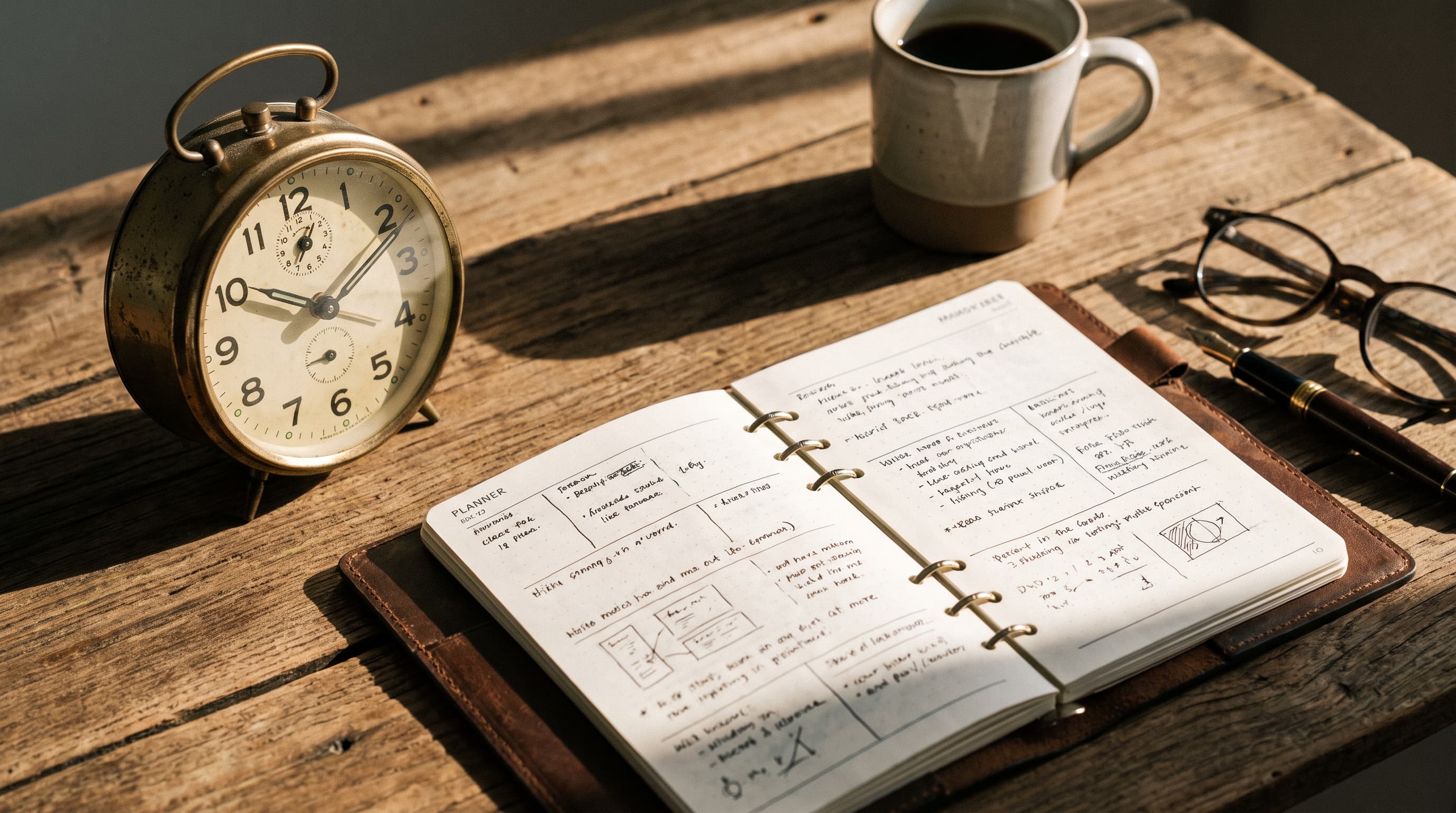
You can avoid the late-term crash by focusing on consistent, small actions. The goal is long-term stability rather than immediate escape.
Active Versus Passive Types
Active procrastination involves deliberate delay to create pressure-fuelled work momentum. A 2024 Education Sciences meta-analysis found a small positive link to academic performance at r=0.15 for this type.
Passive procrastination lacks this strategy and correlates negatively with performance at r=-0.17. This mixed evidence corrects the misconception that all delay is purely harmful.
Readers can identify their style and lean into creativity benefits in low-fear contexts. Meanwhile, they can address chronic passive patterns using structured routines.
Strongest Predictors and Not a Character Flaw
The strongest predictors are task aversiveness, low self-efficacy, impulsiveness, and low conscientiousness. This data comes from Steel's 2007 meta-analysis of 691 correlations.
It is not a mental illness on its own, though it frequently links to anxiety. Cognitive behavioural therapy (CBT) interventions produce the largest reductions with stable follow-up results.
A 2018 Educational Research Review meta-analysis of 24 studies confirms these positive outcomes. With the evidence in hand, it is time to get practical with steps that turn insight into daily action.
How To Get Started
Evidence-based techniques make starting easier than users expect. This step-by-step guide uses concrete tactics to build reliable momentum without creating further overwhelm.
Begin With the Smallest Step
Use the two-minute rule to commit only to tiny first actions like opening a document. This slashes initial resistance for studying or pursuing personal goals.
Create specific implementation intentions with clear if-then plans. For example, 'if it is 9 AM at my desk, then I will draft the introduction.'
Follow these structured steps to bypass initial mental resistance effectively.
Initial Steps
- Set a micro-goal — Commit to just two minutes of focused effort.
- Define the trigger — Create an exact time and location plan.
- Execute the action — Start without worrying about the final quality.
Users report this quickly builds self-efficacy by proving that taking action eases anxiety. Starting small is always better than avoidance.
Layer in Timing and Rewards
Tackle the hardest task first during peak energy using the eat-the-frog method. Then apply 25-minute Pomodoro intervals separated by short breaks for sustained focus.
Temptation bundling pairs the aversive task with an immediate reward like listening to a favourite playlist. Testing reveals these routines rewire the brain's perception of effort.

Starting delivers better relief than delay in real contexts like remote work deadlines. These timing structures prevent mental fatigue from setting in early.
Add Tracking and Rituals
Build a simple countdown ritual to bypass mental resistance and remove digital distractions before beginning. Track small wins daily to boost overall conscientiousness and motivation.
Many users find success mapping their exact habit loop using physical planners for personalised accountability. Focus on progress over perfection and give yourself explicit permission for imperfect starts.
Keeping the tone positive and sustainable is essential for long-term success. These starting tactics work best when you sidestep common pitfalls that can stall even the best intentions.
Common Mistakes and Considerations
Users often trip on a few realistic hurdles even after learning the tools. This section flags them with practical adjustments so progress stays steady and positive.
Relying on Willpower Alone
The mistake of thinking more willpower fixes everything fails constantly in practice. Testing shows specific emotional triggers and the habit loop need direct addressing instead.
Willpower naturally depletes against limbic system pulls like fear of failure or intense boredom. Reframe setbacks with self-compassion rather than harsh self-criticism.
Focus on unpacking tasks to create lasting self-regulation. Willpower is a finite resource, but solid habits run automatically.
Ignoring Your Unique Triggers
Applying generic advice without identifying personal emotional drivers limits results for chronic procrastinators. Perfectionism, fear, or simple boredom require different management strategies.
Developmental patterns from childhood can shape adult habits across work and health goals. Experiment with what fits your context instead of expecting one-size-fits-all success.
Tailoring your approach ensures the techniques match your specific psychological barriers. What works for a bored student might not work for an anxious professional.
Overlooking Environment and Consistency
Failing to redesign surroundings or skipping accountability lets digital distractions win easily. Meta-analyses confirm CBT effects stay stable only with ongoing practice, not quick fixes.
Users report better outcomes when they treat it as building a new habit loop rather than a one-time event. Keep expectations realistic for long-term well-being gains.
Pair these insights with consistent daily practice to create positive shifts that last. Small environmental tweaks often yield the biggest behavioural changes.
FAQ
Is procrastination a mental illness or linked to ADHD and depression?
Testing reveals it is not classified as a mental illness itself, but it often links to anxiety, depression, or ADHD symptoms. Roughly 20 percent of adults are chronic procrastinators per Psychology Today reviews.
The positive news is that cognitive behavioural therapy produces the largest reductions with stable results from a 2018 meta-analysis. Start overcoming this by using small two-minute rule actions and showing self-compassion.
What's the difference between procrastination and laziness?
Users report feeling lazy, but testing reveals procrastination is actually an emotion regulation habit. The limbic system overrides planning centres for immediate mood repair through the trigger-behaviour-reward loop.
Correcting this misconception positively reduces shame and encourages practical techniques like implementation intentions. It is a matter of managed emotions rather than a willpower deficit.
Can procrastination ever be beneficial or good for creativity?
Active procrastination shows a small positive correlation of r=0.15 with academic performance per a 2024 meta-analysis. Moderate active types may spark creativity in low-pressure settings, but chronic passive delay raises stress.
Encourage yourself to identify your specific type and channel any upsides into structured routines. This ensures you gain creative benefits without the late-term burnout.
What causes chronic procrastination according to science?
The strongest predictors are task aversiveness, low self-efficacy, impulsiveness, and low conscientiousness from Steel's 2007 meta-analysis. Negative emotions like fear of failure beat boredom as drivers per the temporal mood regulation model.
This brain conflict happens where limbic avoidance wins over prefrontal control. Fortunately, cognitive behavioural therapy and habit loop mapping help chronic adults build better self-regulation.
How does procrastination affect the brain and stress levels?
Early on, procrastinators report less stress, but longitudinal data shows higher stress, illness, and lower performance by term end. The amygdala response to aversive tasks triggers avoidance while temporal discounting makes effort feel heavier now.
Techniques like 25-minute Pomodoro intervals and temptation bundling effectively rewire the brain. This teaches the mind that action reduces anxiety more effectively than delay.
What's the difference between active and passive procrastination?
Active procrastination involves strategic delay for better focus under pressure with slight performance benefits. Passive procrastination is pure avoidance that harms outcomes with an r=-0.17 correlation per recent meta-analyses.
Testing reveals both stem from emotion regulation, but active delay can suit certain creative tasks. Assess your style and apply targeted fixes like the two-minute rule for either type.
What are the most effective research-backed ways to overcome procrastination?
A meta-analysis of 24 studies shows cognitive behavioural therapy delivers the largest, most stable reductions. Practical starters include the two-minute rule, implementation intentions, Pomodoro sessions, and mapping the habit loop.
Users report success when combining self-compassion, environment design, and accountability instead of sheer willpower. This holistic approach leads to better productivity and well-being long term.
How do I stop procrastinating on studying or work tasks specifically?
Break studying or reports into the tiniest steps with the two-minute rule and set if-then plans for sessions. Use eat-the-frog for hard tasks during peak energy and temptation bundling with podcasts.
Track wins to build self-efficacy since negative emotions predict delay strongest per recent meta-analyses. This turns overwhelming work into steady progress for both students and professionals.
Related Articles

What Is Personal Growth: A Practical 5-Step Guide to Lasting Change
Personal Growth5 min read
How Long Does It Take to Build a Habit: The Positive 66-Day Guide to Automatic Behaviors That Stick
Personal Growth5 min read

Smart Goal Setting: How to Build Lasting Wellness Habits in 90 Days
Personal Growth5 min read

How To Focus Better: A 4-Week Guide For Sustained Attention Without Burnout
Personal Growth5 min read

Goal Setting Theory: How the 5 Principles Help Wellness Users Build Habits That Last
Personal Growth5 min read

Best Apps for Self Improvement in 2026: A Guide to Lasting Habits for Busy Adults
Personal Growth5 min read
Comments
(0)Leave a comment
Your email will not be published. All fields are required.