How to Season a Cast Iron Skillet in Four Rounds for Lifelong Non-Toxic Cooking
By: Nord Time Editorial
Fact checked by: QA Team
Updated on: September 24, 2026
0
1629
10 min
In this article
- Understanding How to Season a Cast Iron Skillet
- How It Works
- Benefits for Health-Conscious Cooks
- How to Season a Cast Iron Skillet Step by Step
- Common Pitfalls and Maintenance Tips
- FAQ
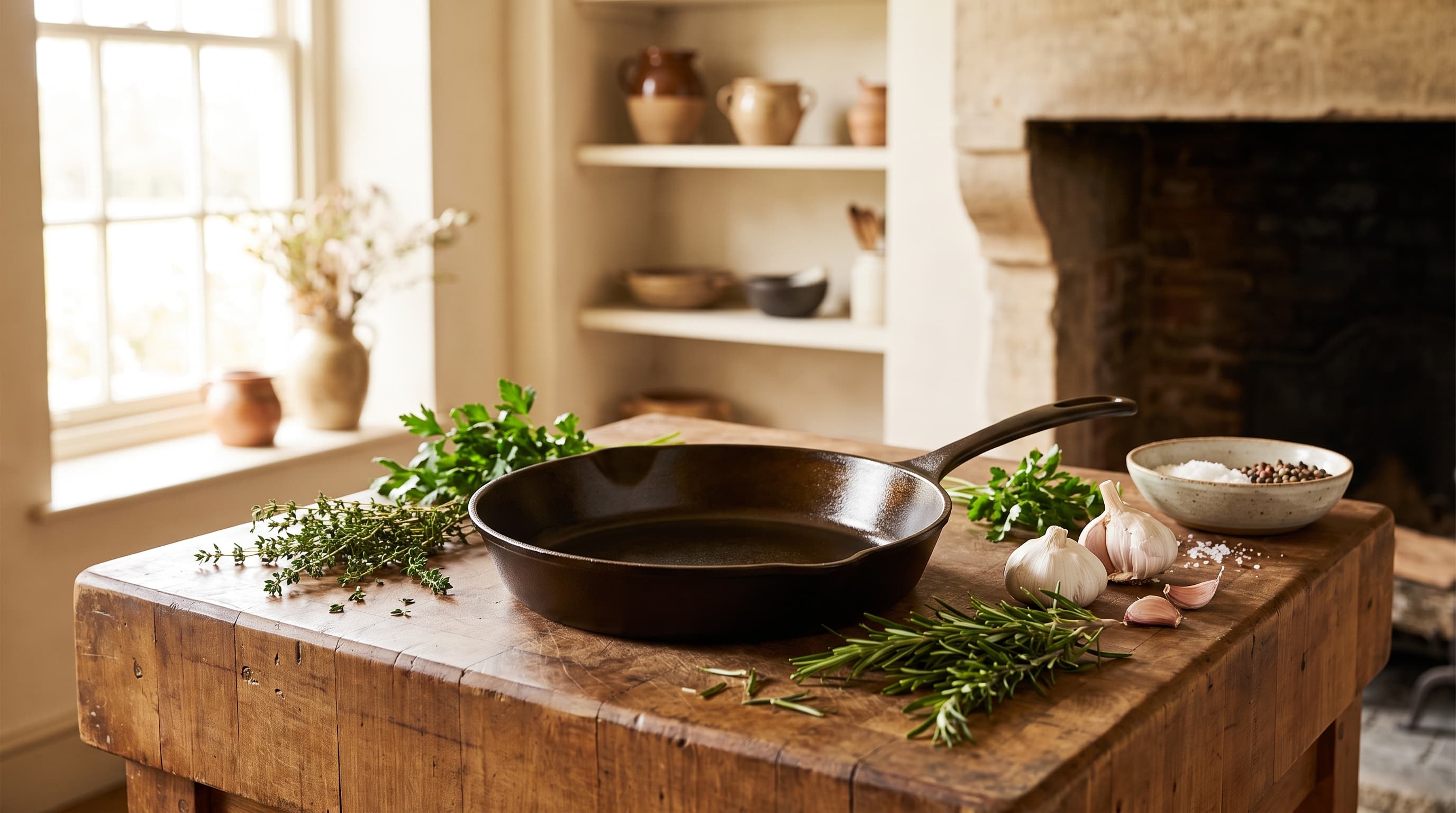
Seasoning turns a basic cast iron skillet into a naturally non-stick powerhouse that laughs at rust. This process skips the chemical coatings and lays out the straightforward steps busy home cooks need.
Users report learning how to season a cast iron skillet becomes second nature fast. This method supports the shift to toxin-free kitchens without adding daily maintenance headaches.
The initial setup requires a few dedicated hours, but the resulting finish lasts for generations. This guide breaks down how to build tough layers that improve with every fry or bake.
Understanding How to Season a Cast Iron Skillet
At its core, seasoning means baking on thin oil layers that bond to the metal and create a durable barrier. Testing reveals this process solves pain points like food sticking and rust spots for home cooks moving away from PFAS pans.
Developing a consistent maintenance routine ensures the pan is always ready for daily healthy meal prep. The underlying science explains why older pans often perform better than brand new ones.
What Seasoning Really Does for Your Pan
Users report seasoning builds a polymerized oil layer that stops rust in its tracks. It creates a natural non-stick surface without any Teflon or synthetic chemicals.
Testing reveals the iron's microscopic pits trap the coating, so it gets stronger with regular frying and baking. Home cooks transitioning to non-toxic tools find it delivers lifelong durability.
This reliable barrier also cuts confusion over metallic tastes transferring into food. A well-seasoned surface ensures delicate foods slide right out of the pan.
Who This Process Helps Most
Beginners who just bought or inherited a cast iron pan benefit big time from learning these steps early. Enthusiasts prepping daily one-pan meals also see quick results from this consistent method.
Testing reveals it directly tackles goals like avoiding sticky, blotchy layers and integrating simple routines. Let's be real, mixed experience levels mean this guide meets folks dealing with rust after cleaning or uncertainty about soap.
Mastering this technique removes the intimidation factor surrounding traditional cookware. With the basics covered, let's break down the science that makes this magic happen.
How It Works
The process relies on heat and oil teaming up in a way that changes everything on a molecular level. Testing reveals it is simpler than the chemistry sounds and delivers real results for wellness-focused kitchens.
Understanding this reaction helps prevent common mistakes like applying too much oil at once. The transformation turns liquid fat into a hard, slick cooking surface.
The Polymerization Process Explained
Users report that when oil heats above its smoke point, fatty acid molecules break down and form free radicals. These link into long chains and bond to the porous iron surface, creating a hard, plastic-like coating.
The Science of Polymerization
According to food science experts at America's Test Kitchen, this polymerized layer protects against oxygen and rust while continuously improving with regular kitchen use.
Testing reveals the iron surface's microscopic pits permanently trap the polymerized oil. Repeated cycles build multiple durable layers that support healthier, toxin-free cooking environments.
Why Layers and Heat Matter
Testing reveals initial seasoning needs three to four cycles because one round alone does not deliver permanent non-stick results. Each bake at high heat strengthens the bond and creates conditional hydrophobicity that aids even cooking.
Users report this science-backed approach helps avoid common errors like flaking or soft patches. It fits right into busy home cooking routines alongside regular high-heat frying or baking.
Reaching the correct temperature is non-negotiable for creating a bond that lasts. The science is solid, but the real win comes in the wellness perks it brings to your kitchen.
Benefits for Health-Conscious Cooks
A well-seasoned skillet offers a safe, non-toxic alternative to PFAS cookware. It can even boost dietary iron in certain dishes when used correctly.
Testing reveals these perks make it a smart swap for daily use when you follow the evidence. The health benefits extend beyond what goes into the food to include what stays out.
Non-Toxic Cooking Without Compromise
Users report a properly seasoned cast iron skillet stands as a top non-toxic option compared to chemical non-stick pans. This becomes especially relevant with upcoming PFAS regulations in focus.
Testing reveals the stable polymer layer is generally food-safe for all types of meals. There is no strong evidence of harm from normal use, per food science reviews and expert consensus from Serious Eats and ACSH.
Here are the primary advantages cooks experience when switching to well-seasoned iron.
Key Health Advantages
- Zero synthetic chemicals — Avoids Teflon and emerging PFAS compounds.
- High heat safety — Does not release toxic fumes at temperatures above 260°C.
- Natural durability — Never sheds synthetic flakes into your meals over time.
This supports wellness goals by ditching toxins while delivering reliable performance for one-pan meals. The peace of mind alone makes the initial effort worthwhile.
The Iron Boost and Other Perks
Research shows acidic, moist foods like applesauce can gain up to 6 mg of iron per 100g when cooked in cast iron. Spaghetti sauce gains around 2 mg per 100g, per the Cheng and Brittin study.
Testing reveals this helps many with iron needs, though folks with hemochromatosis should monitor their intake closely. Let's be real, the slick surface also resists bacterial adhesion better in some cases.
This method corrects the misconception that you can never use mild soap, since it is fine and often necessary for proper cleaning. Ready to make it happen? Here is the practical step-by-step process that gets results.
How to Season a Cast Iron Skillet Step by Step
The oven method delivers consistent results that last for years. Testing reveals the whole initial project takes under two hours of active time.
The process is mostly hands-off baking and sets up the pan for long-term healthy cooking. Following the sequence exactly prevents sticky spots from forming.
Prep and Clean First
Start by washing the skillet with mild soap and hot water to remove debris. Dry it thoroughly on the stovetop over low heat while still warm.
Users report this removes any factory residue or rust spots so the oil bonds properly to the bare metal. Testing reveals avoiding long soaking prevents deeper rust issues entirely.
Getting the pan completely dry is the most critical part of the preparation phase. Moisture left in the pores will prevent the oil from adhering correctly.
Choosing Oil and Applying the Perfect Layer
Pick high smoke-point oils like grapeseed or canola because polyunsaturated fats polymerize more effectively than saturated fats like lard, per UMass Amherst experts. Apply an extremely thin layer, then buff vigorously with a paper towel until the pan looks nearly dry to dodge sticky spots.
Testing reveals using a dedicated lint-free cloth for this rub delivers even coverage. This approach avoids blotchy seasoning every single time.
Here is a quick look at how different oils perform during the seasoning process.
| Oil Type | Smoke Point | Durability |
|---|---|---|
Grapeseed | 215°C | Excellent |
Canola | 205°C | Good |
Flaxseed | 107°C | Prone to flaking |
Wiping off the excess oil is the secret to a smooth finish. If the pan looks wet or glossy before it goes into the oven, there is too much oil.
Baking and Building the Layers
Preheat the oven to 230-260°C and place the skillet upside down on the middle rack with foil below to catch drips. Bake for one hour, then let it cool completely inside the oven.
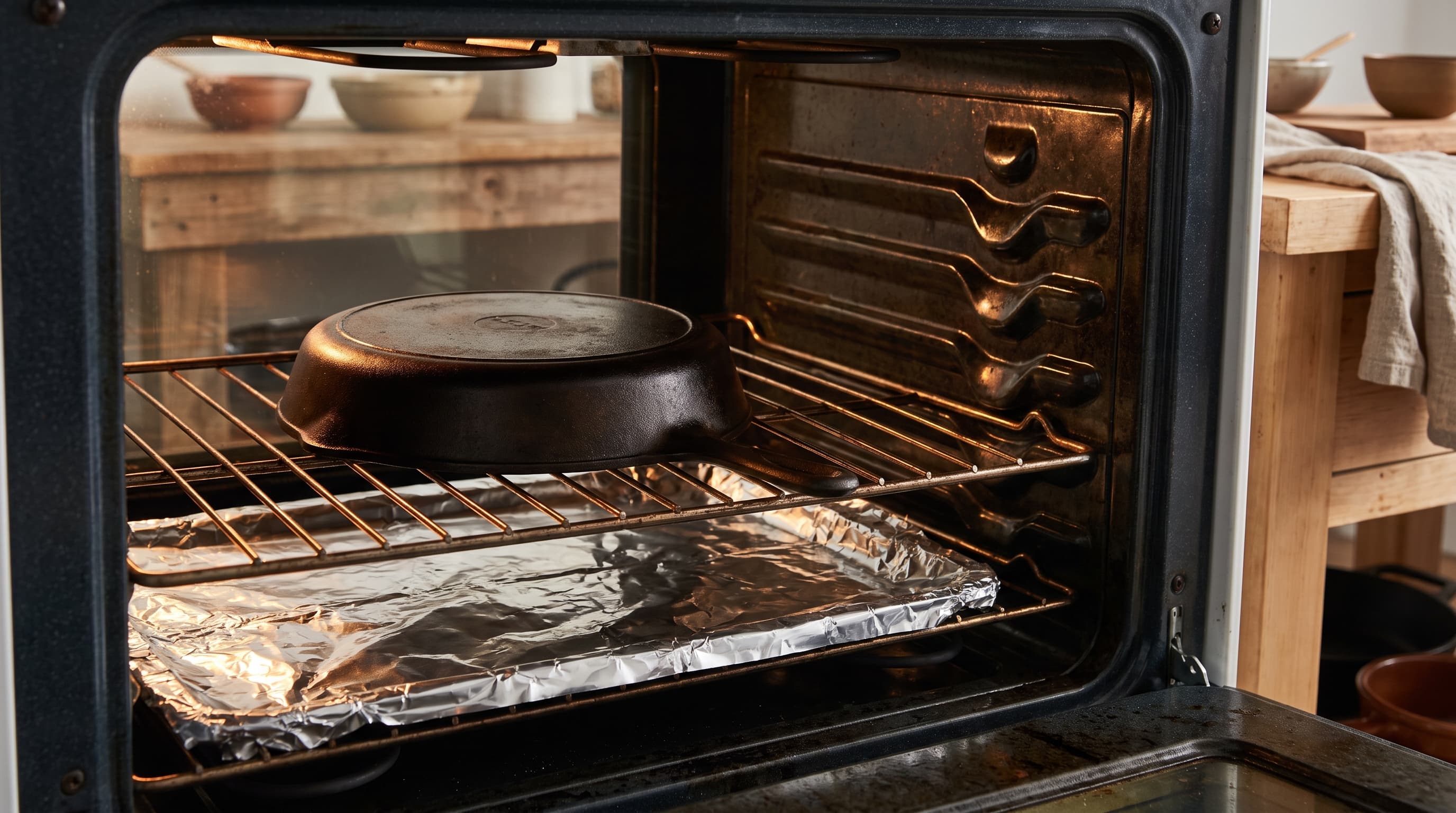
Repeat this heating and cooling cycle three to four times for the initial seasoning, as recommended across experts. Users report this creates the durable non-stick surface cooks strive for.
Maintenance becomes easy with just a quick, thin coat wiped on after each daily use. Even with the best steps, slip-ups happen, so here is how to dodge the common headaches.
Common Pitfalls and Maintenance Tips
Most issues come from rushing the thin layers or skipping the drying step completely. Testing reveals quick fixes keep your skillet performing like a champ for healthy daily cooking.
Understanding how to troubleshoot these small bumps ensures the pan never ends up abandoned in a cabinet. Regular maintenance is faster and easier than most people assume.
Fixing Sticky Flaking or Rust Issues
If the seasoning looks sticky or flaky, bake the empty pan at 260°C for an hour to harden the unpolymerized fat. If that fails, strip the pan completely and restart the process.
Users report rust spots clear up fast when scrubbed with coarse salt or steel wool. After scrubbing, the pan must be washed, dried, and immediately re-seasoned.
Flaxseed oil polymerizes quickly but tends to flake more than grapeseed, so stick with unsaturated vegetable oils for better long-term durability.
Testing reveals that preventing moisture buildup is the best defense against recurring rust. Always store the pan in a dry place, away from steam.
Daily Cleaning and Long-Term Care
After every use, rinse the skillet with hot water while the pan is still warm. Use mild dish soap if needed, and dry right away on the stovetop before applying a very thin oil coat.
Testing reveals this routine prevents rust and builds seasoning naturally through fatty foods like bacon early on. Avoid cooking highly acidic ingredients such as tomato sauce until multiple layers are fully established.
Heat the pan gradually over five minutes to stop thermal shock, which can crack the metal. Many users find this post-meal routine keeps the process smooth and the results consistent over years of toxin-free meals.
FAQ
Can you use soap on cast iron?
Yes, mild dish soap is totally fine and often necessary after cooking heavy meals. Testing reveals it removes food residue without stripping the hardened polymer layer, provided you dry the pan immediately and add a thin oil coat. This debunks the old myth and supports rust-free maintenance for busy home cooks aiming for chemical-free routines.
What is the best oil for seasoning cast iron?
Food science experts recommend grapeseed, canola, or sunflower oil because polyunsaturated fats polymerize more effectively than animal fats. The key is applying an extremely thin layer and buffing it until the pan looks completely dry. Users report these choices avoid sticky buildup and build durable layers that last for years of daily cooking.
How often should you season a cast iron skillet?
Initial seasoning requires three to four rounds in the oven, but after that, maintenance happens naturally through regular use. Testing reveals touch-ups every few months, or when the surface looks dull, keep it performing perfectly. This fits easily into daily wellness cooking without becoming a big weekend project.
Why is my cast iron seasoning sticky or flaking?
This usually comes from leaving too much oil in the pan or not buffing it enough before baking. Testing reveals baking the empty pan at 260°C for an hour often fixes sticky spots, while complete stripping restarts the process if flaking is severe. Users report choosing the right oil and keeping layers microscopic prevents flaking for good.
How do I remove rust from my cast iron pan?
Scrub the rust spots with steel wool or coarse salt, wash with mild soap, and dry thoroughly on the warm stove. Testing reveals this restores the pan fully without permanent damage, provided you re-season it right away. Rust is common but easy to fix, and prevention is simple with proper immediate drying.
Does cast iron add iron to your food and is it safe?
Yes, it can increase iron content, with acidic, moist foods gaining up to 6 mg per 100g in applesauce, per the Cheng and Brittin study. Amounts stay modest and beneficial for most people, though those with hemochromatosis should monitor their intake. Testing reveals a seasoned skillet is a safe, non-toxic choice overall.
Can I cook acidic foods like tomato sauce in cast iron?
Wait until the seasoning has multiple strong layers built up through repeated daily use. Testing reveals well-established pans handle occasional acid better, but stainless steel is smarter for long simmers with vinegar or citrus. Users report this precaution prevents acid damage and keeps the natural non-stick surface fully intact.
Is flaxseed oil better than other oils for seasoning?
Flaxseed creates a very hard coating quickly but tends to flake off with regular use, according to comparative tests from Serious Eats. Unsaturated oils like grapeseed hold up much better long term. Testing reveals the best choice depends heavily on thin application and proper buffing, rather than just the oil type alone.
Related Articles

ISO Aperture Shutter Speed Mastery: Gain Creative Control
Hobbies5 min read

Calligraphy Pens for Beginners: Build Mindfulness and Reduce Stress in 8 Weeks
Hobbies5 min read

Knit vs Purl Stitch: A Positive Beginner’s Guide to Mindful Stitching for Stress Relief
Hobbies5 min read

Calligraphy For Beginners: How 15 Minutes Daily Builds Mindfulness, Focus, And Real Progress
Hobbies5 min read

Golden Hour Photography Tips: 6 Easy Techniques For Gorgeous Photos And A Calmer Mind
Hobbies5 min read

The 6 Best Cameras for Photography Beginners to Build a Mindful Wellness Habit in 2026
Hobbies5 min read
Comments
(0)Leave a comment
Your email will not be published. All fields are required.