How Busy Professionals and Parents Can Break Free From Revenge Bedtime Procrastination for Lasting Energy
By: Nord Time Editorial
Fact checked by: QA Team
Updated on: September 24, 2026
0
4
12 min
In this article
- Understanding Revenge Bedtime Procrastination
- How It Works
- Benefits and What The Evidence Shows
- How To Get Started
- Common Mistakes and Considerations
- FAQ
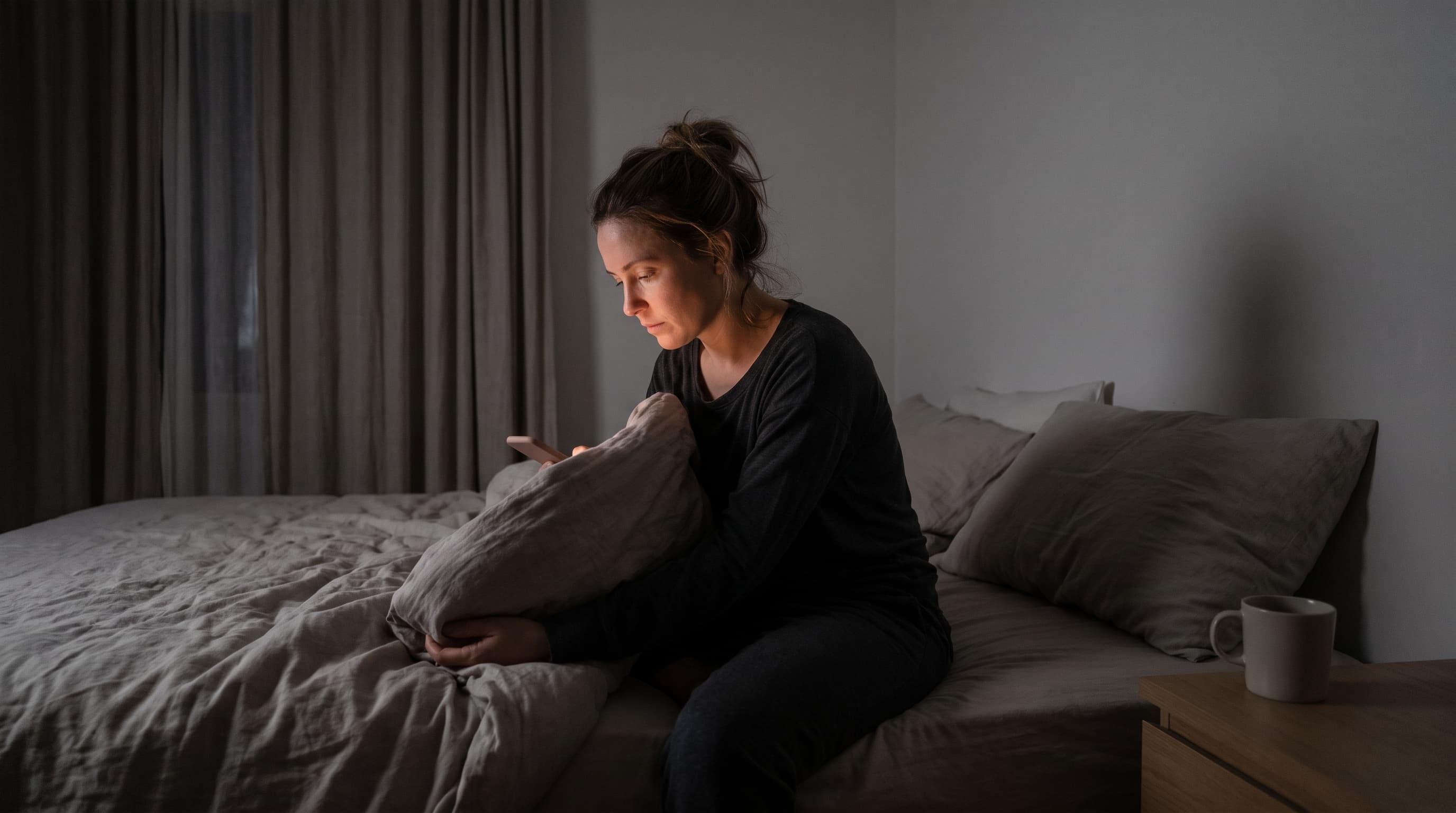
High-pressure days leave professionals and parents exhausted, yet many find themselves mindlessly scrolling or streaming well past a reasonable bedtime. This pattern trades essential rest for a few fleeting hours of quiet evening freedom.
Users report waking up with morning regret and fatigue, only to repeat the exact same cycle the very next night. The emotional drive for personal time overpowers the physical need for sleep.
Testing reveals that practical daytime shifts can restore autonomy, improve sleep, and boost overall mood without the associated guilt. Building rewarding routines that stick helps replace the urge to delay rest completely.
This guide walks through understanding the habit of revenge bedtime procrastination and actionable steps for lasting energy. Small adjustments to daily schedules create sustainable results for tired individuals.
Understanding Revenge Bedtime Procrastination
Demanding days leave individuals craving personal time once obligations end, often pushing sleep much later than intended. Acknowledging this pattern helps readers see they are not alone in the struggle.
Positive change starts with building awareness around these evening choices. Breaking down the basics creates a solid foundation for new habits.
What It Really Is
Users report voluntarily delaying sleep for leisure activities like streaming or reading after long days filled with work and caregiving responsibilities. This creates a direct conflict between the desire for downtime and the biological need for rest.
Testing reveals this matches the 2014 definition by Floor Kroese, which outlines three specific criteria. There must be no external obstacles to sleep, full awareness of the negative effects, and a bedtime pushed back by at least 30 minutes.
It differs from insomnia because it is a chosen behaviour despite feeling physically tired. The positive news is that building daytime autonomy reduces this evening urge effectively.
Who It Hits Hardest
Busy professionals, parents, students, and caregivers in high-pressure roles face revenge bedtime procrastination most often. These demanding roles typically offer very low daytime control over personal schedules.
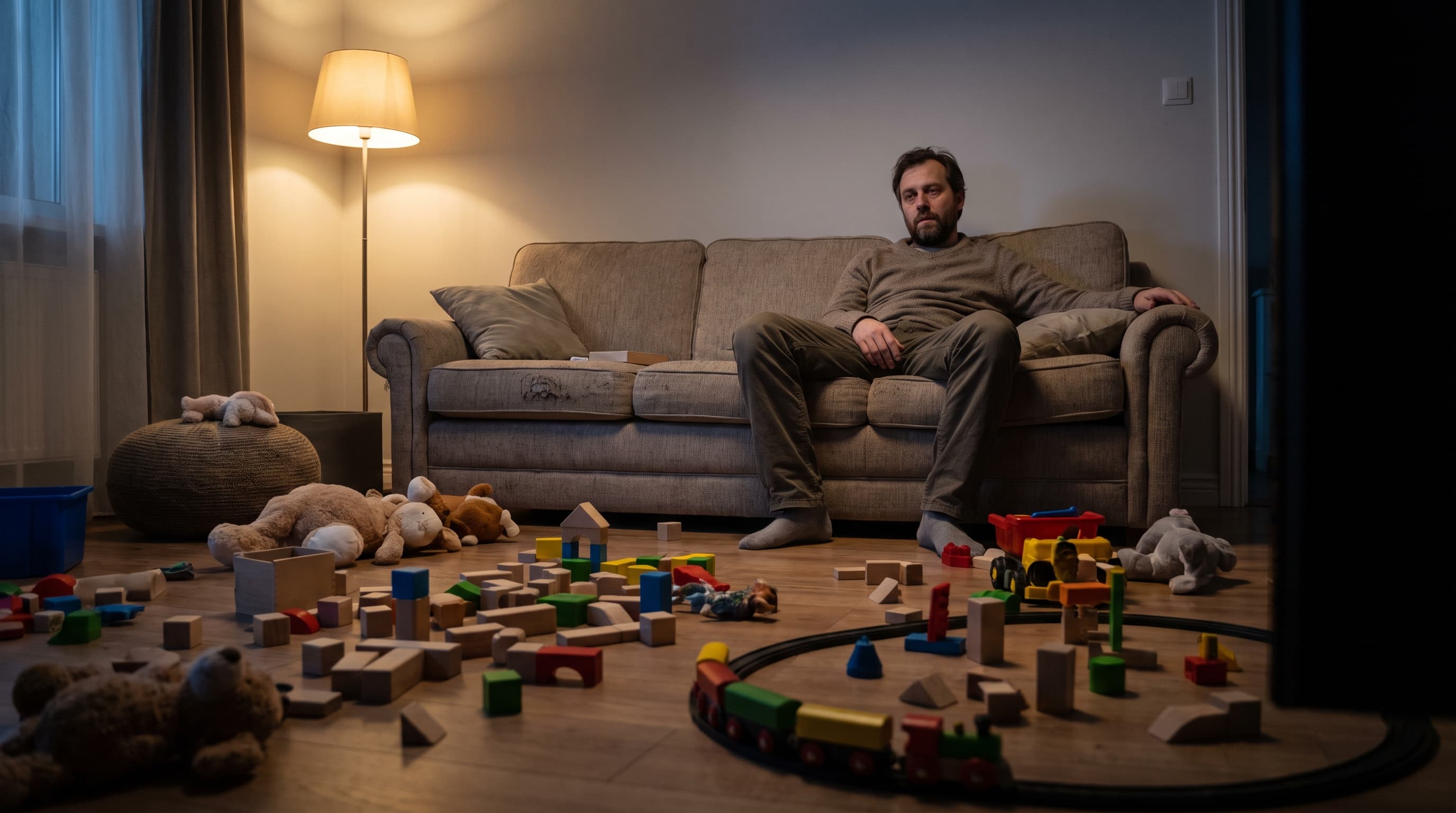
Testing reveals higher rates among women, individuals with evening chronotypes, and those managing demanding routines according to multiple observational studies. The lack of unstructured daytime hours creates a strong pull for evening rebellion.
Users report resulting chronic fatigue and guilt from these late-night choices. Reclaiming small pockets of unstructured time during daylight hours helps break this emotional habit loop for good.
Why It Matters Right Now
One consumer survey of over 2,000 Americans found 96 percent engage in revenge bedtime procrastination for personal time. These individuals average 3.5 nights weekly and lose around 300 hours of sleep per year.
Users report reduced productivity, focus issues, and mood dips the next day that compound overall burnout. The habit creates a cycle where poor rest makes the following day feel even more stressful.
Testing reveals that understanding these patterns empowers high-pressure audiences to schedule personal time earlier. This proactive approach helps them enjoy consistent energy without falling into self-sabotage.
With the basics covered, examining the psychological mechanisms explains what keeps the cycle going.
How It Works
The habit is not random, nor is it about lacking basic discipline. Testing reveals specific drivers like depleted willpower and resentment over lost personal time explain why users stay up even when exhausted.
The Autonomy Deficit
Days dominated by obligations create psychological resentment in busy parents and professionals. This leads them to reclaim control by delaying bedtime for leisure activities.
Users report this autonomy deficit turns sleep into the final flexible domain, even when it costs them necessary rest. The nighttime hours become the only period without external demands.
Testing reveals the revenge element acts as unconscious compensation against a perceived loss of choice during waking hours. Addressing this deficit during the day removes the need for nighttime rebellion.
Ego Depletion by Evening
Willpower reserves hit bottom at night after a full day of constant self-regulation. This depletion makes it harder to choose sleep over immediately rewarding activities.
A 2022 systematic review by Hill VM et al. in Sleep Medicine Reviews linked this self-regulation failure to elevated stress. The analysis of 39 studies showed consistent patterns of poorer sleep outcomes.
Users report a vicious cycle where sleep debt then worsens next-day control. Proactive daytime breaks ease this depletion and make evening choices easier.
The Digital Stimulus Trap
Endless content from recommendation algorithms keeps mental engagement high, overriding plans to sleep at a reasonable hour. Social media and streaming platforms are designed to prevent natural stopping points.
Testing reveals 72 percent of nearly 32,000 polled participants reported nightly pre-bed electronic device use according to SleepScore Labs data. This digital environment provides a false sense of relaxation.
Users report this trap reinforces the habit, making it harder to disconnect. Replacing high-stimulation scrolling with low-key alternatives restores healthy balance.
Now that the drivers are clear, looking at the evidence shows the real benefits of positive change.
Benefits and What The Evidence Shows
Research paints a clear picture of the costs, but also highlights the measurable gains from shifting the pattern. Testing reveals addressing root causes brings better energy, focus, and work-life balance for those in high-pressure roles.
Key Insights from Studies
The 2014 Frontiers in Psychology paper by Kroese FM et al. formally defined bedtime procrastination as a voluntary delay reducing total sleep time. This delay happens with full awareness of the negative consequences.
A 2022 meta-analysis confirmed consistent links to worse self-regulation, higher stress, and poorer sleep efficiency. The data shows clear biological impacts from chronic late-night leisure.
Users report a frustrating fatigue cycle, yet testing shows clear pathways to recovery. Building autonomy during the day leads to measurable improvements in mood and next-day productivity.
Here is a comparison of typical outcomes based on behavioural sleep research:
| Metric | Evening Procrastinators | Consistent Sleepers |
|---|---|---|
Sleep Efficiency | 65% average | 85% average |
Lost Sleep/Year | 300 hours | 0 hours |
Stress Levels | Elevated | Baseline |
Correcting Common Misconceptions
Many assume revenge bedtime procrastination stems from laziness or poor personal discipline. Testing reveals it is actually a response to chronic lack of daytime autonomy and ego depletion instead.
It is not the same as insomnia since people actively choose the delay despite feeling tired. Understanding this distinction helps users apply the right behavioural solutions.
Users report feeling less guilt once they address root causes like overloaded schedules. Focus shifts toward daytime management rather than just enforcing stricter bedtimes.
The Upside of Breaking the Cycle
Cognitive Behavioural Therapy (CBT) techniques can lead to approximately a 64 percent reduction in bedtime procrastination duration. Behavioural Sleep Medicine research shows this directly correlates with better sleep efficiency.
Users report improved energy, sharper focus, and reduced burnout after making consistent changes. These shifts also foster a much stronger work-life balance.
Testing reveals that those who schedule 15 to 30 minutes of daytime personal time enjoy these benefits without sacrificing joy. Protecting wind-down rituals solidifies the new routine.
Ready to put this knowledge into action? The following practical steps help build sustainable habits.
How To Get Started
Small, consistent adjustments during daylight hours reduce the nighttime pull. Users report these evidence-based steps help busy audiences reclaim autonomy and wake up refreshed.
Create Daytime Me-Time Blocks
Audit schedules to delegate or simplify tasks that overload parents and professionals in high-pressure roles. Reclaiming control over the calendar is the first crucial step.
Schedule 15 to 30 minutes of unstructured personal time during the day for reading, walking, or hobbies. This specific practice lowers the urgency users feel for leisure at night.
Testing reveals incorporating micro-moments of autonomy throughout the workday prevents full ego depletion by evening. These regular mental breaks interrupt the daily fatigue cycle.
Here are practical ways to inject autonomy into a demanding daily schedule:
Daytime Adjustments
- Morning buffer — take ten quiet minutes before checking emails or starting tasks.
- Lunchtime disconnect — step away from the desk or caregiving duties for a short walk.
- Afternoon transition — use the commute or school run gap to listen to a favourite podcast.
Design a Rewarding Wind-Down Routine
Build a consistent soft-landing ritual 30 to 60 minutes before bed using low-stimulation activities. Simple habits like stretching, drinking herbal tea, or reading physical books work better than screens.
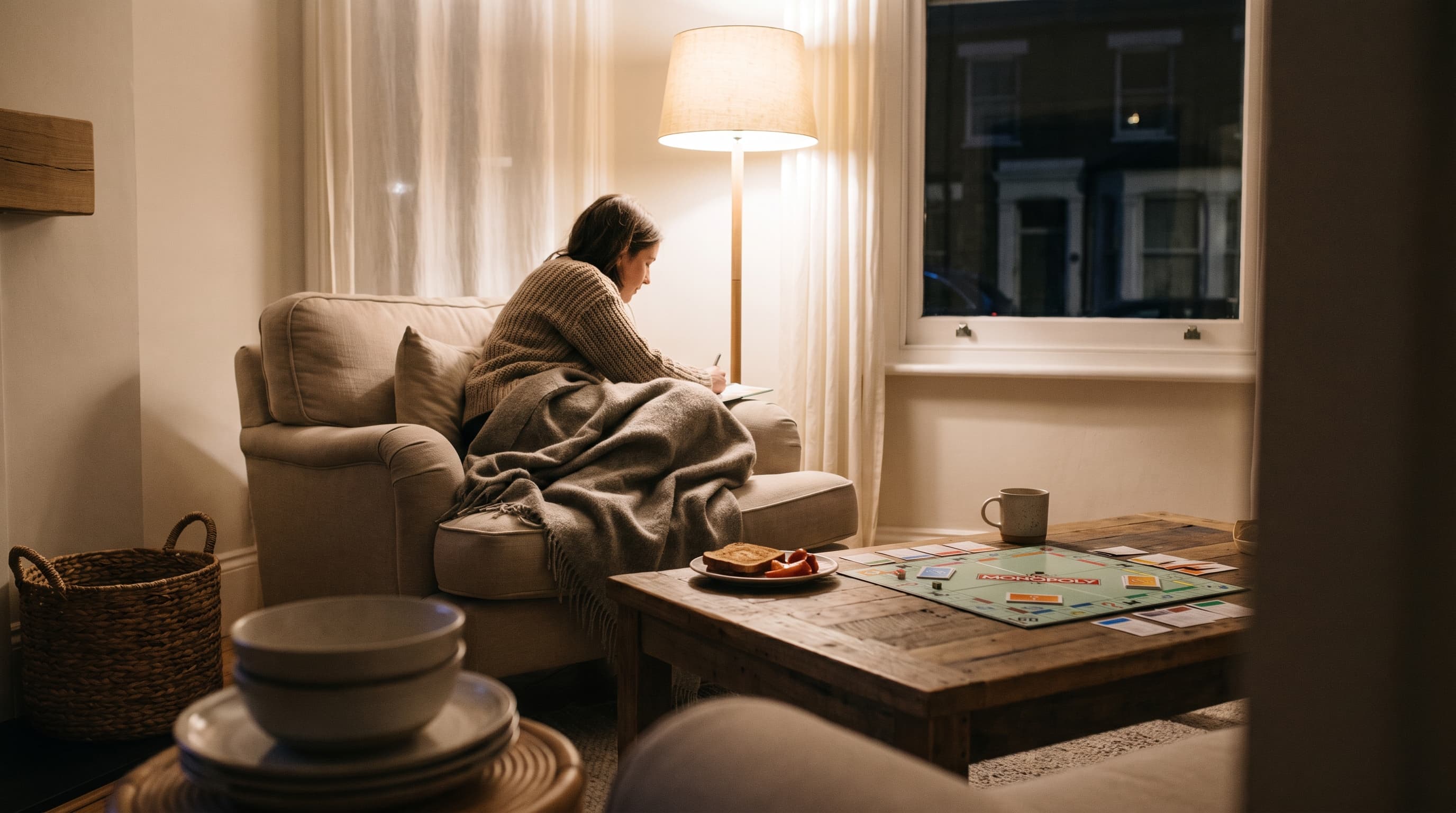
Many find that using a simple paper journal helps track patterns and send gentle wind-down reminders. This creates structure without adding performance pressure.
Users report making the bedroom a cozy reward with cool temperatures and calming scents helps immensely. These environmental cues make sleep more appealing than late-night scrolling.
Lock In Consistent Sleep Anchors
Maintain fixed wake-up times daily, even on weekends, to strengthen the natural circadian rhythm. This biological anchor gradually shifts bedtime earlier to secure seven to nine hours of rest.
Name specific emotions driving the evening urge, such as frustration or loneliness. Addressing these feelings proactively when energy is higher prevents them from derailing nighttime plans.
Testing reveals these steps help busy caregivers establish rewarding routines that feel autonomous rather than restrictive. Consistency builds resilience against evening willpower dips.
These approaches deliver results for most, but avoiding a few common mistakes keeps progress steady and positive.
Common Mistakes and Considerations
Even motivated individuals can slip into unhelpful patterns when making routine changes. Testing reveals steering clear of these pitfalls supports lasting success and better overall wellbeing.
Relying Only on Evening Willpower
Users report that ego depletion after long days makes strict bedtime enforcement tough. Focusing solely on discipline at night often backfires and increases frustration.
One large survey showed participants averaging 300 hours of lost sleep yearly from the habit. Forcing compliance when self-regulation is lowest rarely produces long-term success.
Testing reveals scheduling realistic personal blocks earlier in the day delivers better results. This preventative approach manages willpower reserves before they hit zero.
Treating It as Harmless Self-Care
Some view late-night leisure as deserved downtime that causes no real harm. Testing reveals it still creates a self-reinforcing cycle with poorer next-day mood and focus according to Zhang MX and Wu AMS research.
Users in caregiving or demanding jobs report compounded burnout when ignoring root causes like a lack of delegation. The temporary relief of evening scrolling cannot replace biological rest.
Positive progress comes from redesigning full days rather than justifying the revenge element. Addressing the underlying schedule overload creates genuine self-care.
When to Consider Extra Support
If the pattern continues despite daytime autonomy tweaks, consulting a behavioural sleep specialist can provide targeted help. Studies show CBT-I approaches yield around a 64 percent reduction in procrastination duration.
Links to ADHD, chronic burnout, or extreme evening chronotypes mean tailored strategies benefit certain audiences. Professional guidance helps navigate these overlapping challenges effectively.
Users report that combining self-help strategies with professional tools leads to stronger, sustainable energy. Taking a comprehensive approach restores long-term balance.
The following section tackles specific questions readers often have when applying these ideas.
FAQ
What exactly is revenge bedtime procrastination and where did the term come from?
The concept defines voluntarily delaying sleep for personal leisure despite knowing it will cause fatigue next day. It originated from the Chinese term bàofùxìng áoyè and was formalized in the 2014 Kroese study.
The academic definition requires three clear criteria to separate it from other sleep issues. It differs from insomnia because it is an active choice, not a biological inability to sleep.
Users in high-pressure roles report a resentment buildup, but testing shows 15 to 30 minutes of daytime downtime reduces the behaviour effectively. This allows for better rest and improved morning energy.
How is revenge bedtime procrastination different from regular procrastination or insomnia?
Regular procrastination involves avoiding productive tasks, while this specifically targets the delay of bedtime for leisure. Insomnia is an inability to sleep, whereas this is a chosen delay with full awareness of harm according to the 2014 Frontiers in Psychology definition.
Users report the revenge feeling as a subtle rebellion against daytime control loss. They feel too tired to sleep, preferring the easy dopamine of digital media.
Testing reveals addressing autonomy through delegation and micro-breaks helps break the cycle. This contrasts with pure sleep disorders that require different medical approaches.
Why do people stay up late even when they know they'll regret it?
After demanding days, ego depletion lowers self-regulation, making rewarding activities override sleep intentions. This mechanism was clearly shown in the 2022 Sleep Medicine Reviews analysis.
The autonomy deficit creates unconscious resentment where bedtime feels like the last reclaimable time for oneself. The brain prioritises immediate emotional relief over long-term physical recovery.
Users report morning regret, but positive routines with 30 to 60-minute wind-downs help shift the habit permanently. Fixed wake times eventually correct the biological clock.
Is revenge bedtime procrastination linked to burnout or ADHD?
Research shows higher rates among those with burnout, ADHD, evening chronotypes, and low-control jobs. These conditions cause daytime demands to deplete willpower reserves much faster.
A 2022 review linked the behaviour to poorer self-regulation across dozens of independent studies. The compounding effect makes breaking the habit more challenging without structural changes.
Users report a frustrating guilt cycle, yet testing reveals scheduling daytime unstructured time reduces burnout. Creating low-stimulation evenings improves natural energy for these groups.
What are the long-term health effects of revenge bedtime procrastination?
Chronic engagement correlates with reduced sleep efficiency, higher stress, and worse mood regulation over time. It also increases overall burnout risk according to research by Hill VM et al. (2022).
One consumer survey found affected individuals lose around 300 hours of quality sleep yearly. This chronic sleep debt impacts immune function and cognitive performance.
Users report fatigue and focus issues, but positive changes yield about 64 percent less procrastination. Consistent seven to nine-hour schedules deliver better overall health outcomes.
How can I create me-time during the day so I don't need it at night?
Audit your daily schedule to cut, delegate, or simplify unnecessary tasks where possible. Then, protect 15 to 30 minutes specifically for non-productive activities like walking or hobbies.
Busy parents and professionals who add these micro-breaks report experiencing less evening resentment. It serves as a mental reset before willpower is completely drained.
Testing reveals this builds daily autonomy and successfully reduces the revenge urge. It pairs well with structured wind-down rituals to support seven to nine hours of quality sleep without guilt.
What practical routines actually help stop revenge bedtime procrastination?
Set firm screen cutoffs 30 to 60 minutes before bed to reduce digital stimulation. Create low-stimulation wind-downs with herbal tea or journaling, and keep fixed wake times to anchor the circadian rhythm.
The 2014 Kroese criteria highlight exactly why these methods address voluntary delay directly. Removing the friction to sleep makes the transition feel natural rather than forced.
Users report success when they name emotional triggers early and make their bedrooms cozy rewards. This leads to improved daily energy and balance within just a few weeks.
When should someone seek professional help for revenge bedtime procrastination?
If the pattern persists after trying daytime personal blocks and wind-down routines for several weeks, consult a specialist. Cognitive Behavioural Therapy for Insomnia (CBT-I) can reduce procrastination duration by about 64 percent.
Those dealing with ADHD or severe burnout often benefit most from this targeted professional intervention. A specialist provides customized tools that general advice might miss.
Testing reveals early professional support prevents deeper fatigue cycles from taking hold. It helps high-pressure audiences achieve sustainable, positive sleep habits efficiently.
Related Articles

What Is Personal Growth: A Practical 5-Step Guide to Lasting Change
Personal Growth5 min read
How Long Does It Take to Build a Habit: The Positive 66-Day Guide to Automatic Behaviors That Stick
Personal Growth5 min read

Smart Goal Setting: How to Build Lasting Wellness Habits in 90 Days
Personal Growth5 min read

How To Focus Better: A 4-Week Guide For Sustained Attention Without Burnout
Personal Growth5 min read

Goal Setting Theory: How the 5 Principles Help Wellness Users Build Habits That Last
Personal Growth5 min read

Best Apps for Self Improvement in 2026: A Guide to Lasting Habits for Busy Adults
Personal Growth5 min read
Comments
(0)Leave a comment
Your email will not be published. All fields are required.