How to Cast On Knitting: 3 Easy Methods for Beginners Building a Calming Wellness Habit
By: Nord Time Editorial
Fact checked by: QA Team
Updated on: September 24, 2026
0
5
10 min
In this article
- Understanding How to Cast On Knitting
- How It Works
- Benefits and What The Evidence Shows
- How To Get Started
- Common Mistakes and Considerations
- FAQ
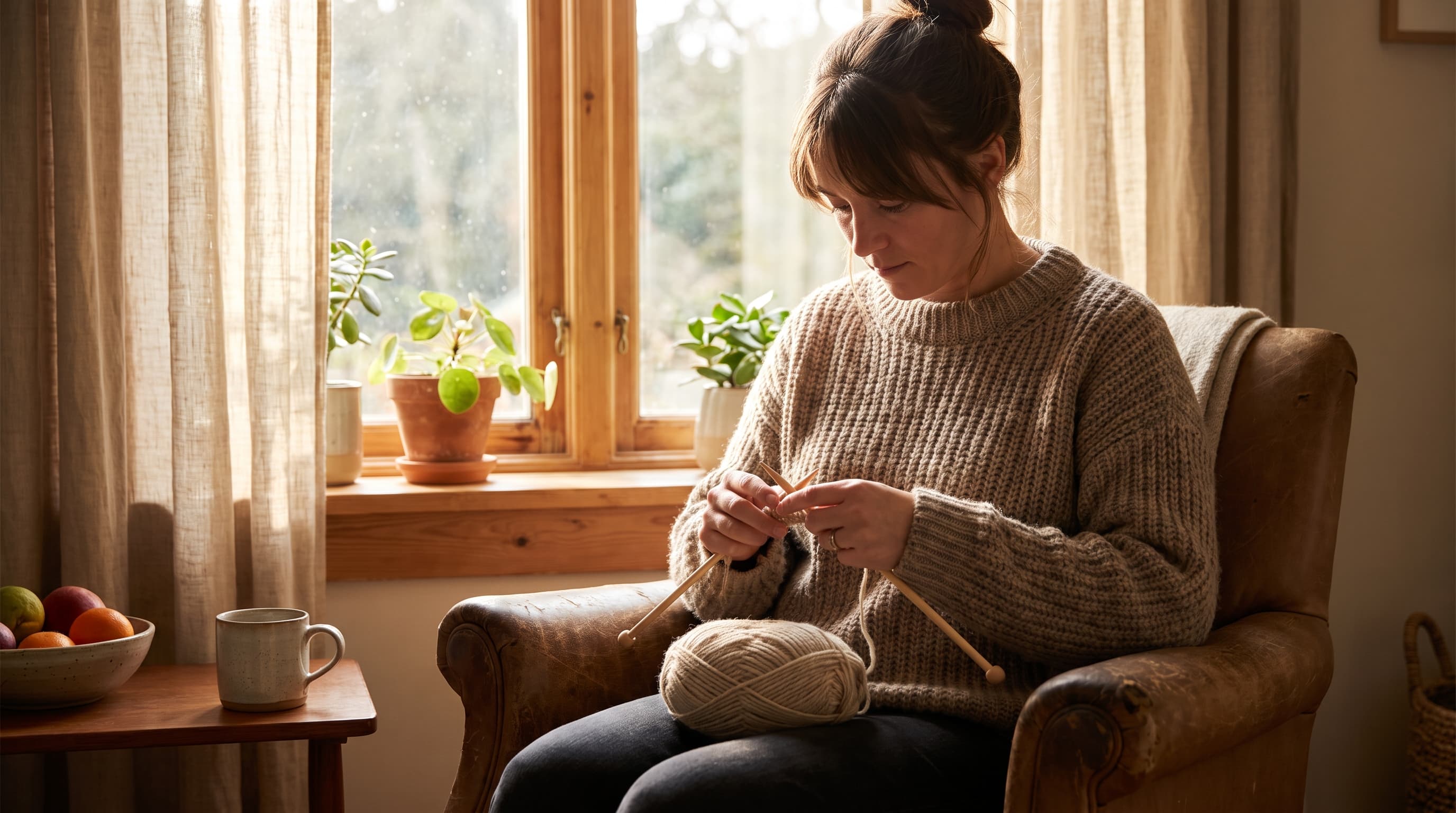
Knitting continues to gain traction as an accessible route to mindfulness and stress relief for adult beginners. Learning how to cast on knitting forms the fundamental basis of this practice, allowing you to start projects with confidence.
Mastering these basics quickly leads to therapeutic satisfaction through simple, repetitive projects like scarves and dishcloths. This guide delivers a structured walkthrough of three reliable methods to turn the process into an immediate wellness ritual.
Understanding How to Cast On Knitting
Casting on creates the very first row of live stitches that every project builds upon. For adult beginners exploring crafts for self-care, mastering this initial step prevents early frustration.
Users report that understanding the mechanics transforms a simple physical skill into a gateway for anxiety reduction. It sets the stage for successful, calming evening wind-down sessions.
What Casting On Actually Does
The cast-on process creates independent loops on the needle to form a base row. These live stitches then interlock as subsequent rows are worked.
Testing reveals this establishes the fabric's lower edge securely without relying on any prior knitting experience. A University of Gothenburg study from the Journal of Occupational Science (2024) shows knitting brings calmness and structure to the lives of people managing mental health conditions.
Establishing a neat base row prevents curled edges and ensures the rest of the project stays aligned.
Who This Skill Helps Most
Audience data suggests knitting attracts retirees and adults looking for therapeutic self-care routines to reduce daily anxiety. The repetitive motions support quick wins, delivering a satisfying sense of accomplishment right away.
A scoping review in Issues in Mental Health Nursing (2024) confirms needlecraft helps manage stress. The review highlights specific therapeutic uses for anxiety management and emotional regulation.
With the foundations clear, the next step involves examining exactly how the main cast-on methods create those initial stitches.
How It Works
Each cast-on technique forms stitches differently, affecting the final stretch, firmness, and ease of the first row. Selecting the right method based on project type prevents common pitfalls like curling edges or uneven tension.
Long-Tail Cast On
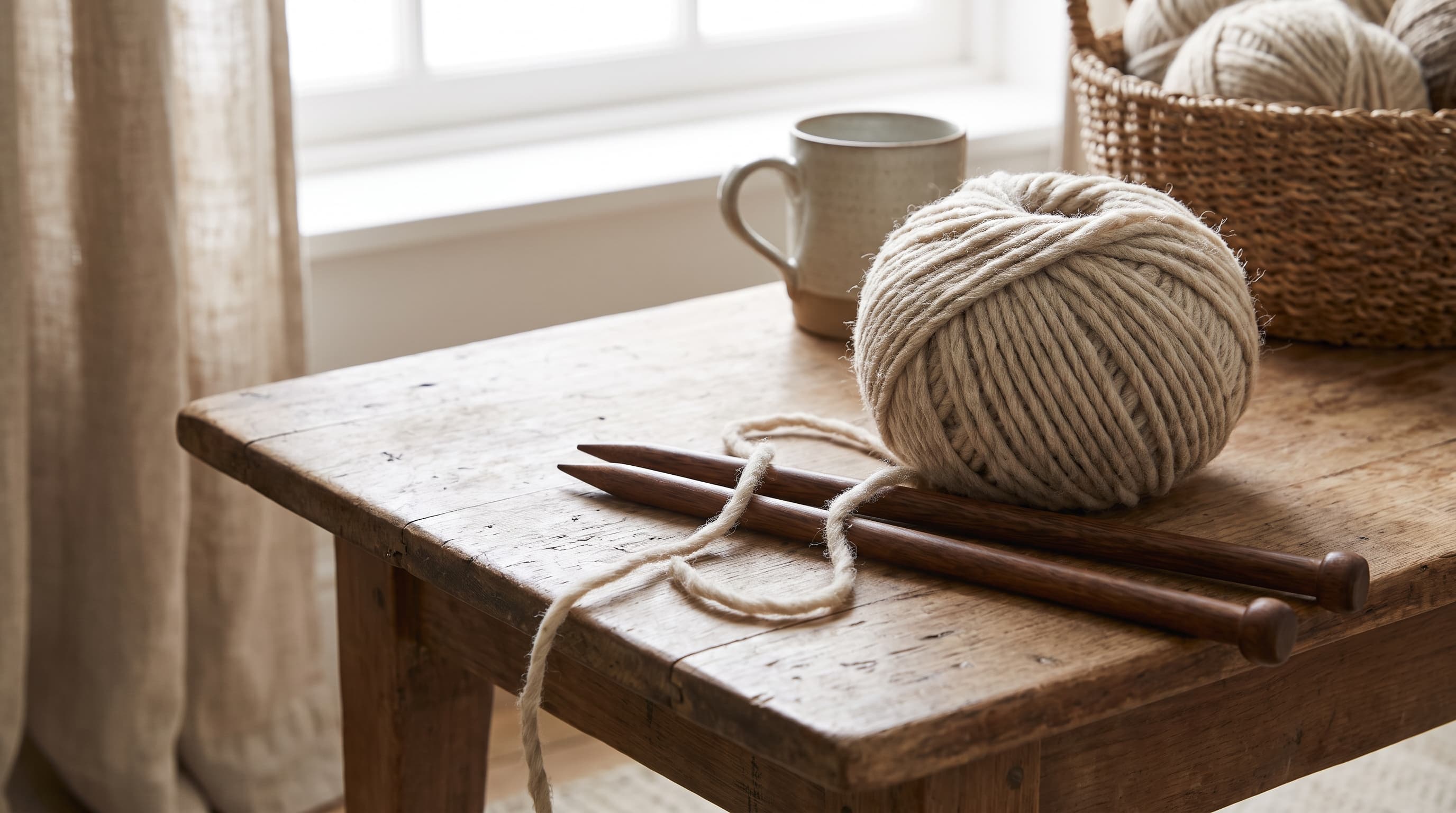
The long-tail cast-on uses two yarn strands to form stitches resembling a knit on the front and purl on the back. Measuring the tail approximately three to four times the finished project width prevents running short of yarn.
This moderately stretchy edge suits most wellness projects, supporting even tension for items like scarves. Many find this rhythmic setup helps them enter a calming flow state during 20-30 minute sessions.
Knitted Cast On
The knitted cast-on builds stitches sequentially by pulling new loops through existing ones. This results in a firm but slightly less elastic edge compared to the long-tail method.
Testing reveals it is easiest for true beginners because it builds directly on familiar knit stitch motions. Begin practice with 20-22 stitches on 4mm needles and double knitting yarn to establish good habits.
Backward Loop Cast On
The backward loop method adds simple half-hitch loops directly onto the needle. While stretchy, it often produces uneven loose stitches that make the first knitted row tricky to manage.
It works much better for mid-project additions than starting full projects, despite common beginner misconceptions.
| Method | Stretch Level | Best Used For |
|---|---|---|
Long-Tail | Moderate | Scarves & Blankets |
Knitted | Low | Absolute Beginners |
Backward Loop | High | Mid-project Adds |
Choosing the right method helps sustain knitting as a therapeutic activity without early abandonment. The mechanics are only part of the story, since research shows real mental health gains from the practice.
Benefits and What The Evidence Shows
Casting on isn't just setup, it acts as the entry point to a hobby that delivers measurable wellness wins. Let's be real, the evidence goes well beyond anecdotal feel-good stories.
Stress Reduction and Mindfulness
Focusing on steady breathing and yarn texture during setup turns those initial minutes into an immediate mindfulness exercise. Bilateral stimulation from consistent hand movements may regulate stress effectively.
National Geographic summarizes meta-analyses showing multiple peer-reviewed studies document mood and emotional regulation improvements. This corrects the misconception that knitting benefits lack solid scientific backing.
Therapeutic Rhythm
The repetitive crossing of the midline during casting on and knitting forces the brain into a bilateral processing mode. This physical rhythm naturally slows the heart rate and grounds the nervous system.
Cognitive Rewards and Motivation
A 2024 study in Frontiers in Behavioral Neuroscience found creative tactile activities activate the dopaminergic reward network. This provides steady mood enhancement and motivation unlike quick digital screen hits.
Quick wins after mastering cast-on, such as completing simple dishcloths, provide therapeutic satisfaction. Group knitting also improves perceived happiness and combats loneliness according to the British Journal of Occupational Therapy.
Longer-Term Mental Health Structure
The University of Gothenburg study (2024) indicates knitting offers identity, low-stakes social context, and daily structure. Regular 20-30 minute sessions commonly help achieve flow state without causing hand fatigue.
Participants in similar community programs reported higher subjective happiness and quality of life scores following stressful life events. Ready to try it yourself? These practical steps make getting started approachable and strain-free.
How To Get Started
Starting is straightforward when you focus on simple numbers and good ergonomics from day one. Treating the cast-on as a short ritual boosts the calming effects right away.
Gathering Materials and Setting the Scene
Beginning practice sessions with double knitting weight yarn and 4mm needles builds muscle memory fast. Sticking to 20-22 stitches reduces confusion when choosing methods and helps maintain focus.
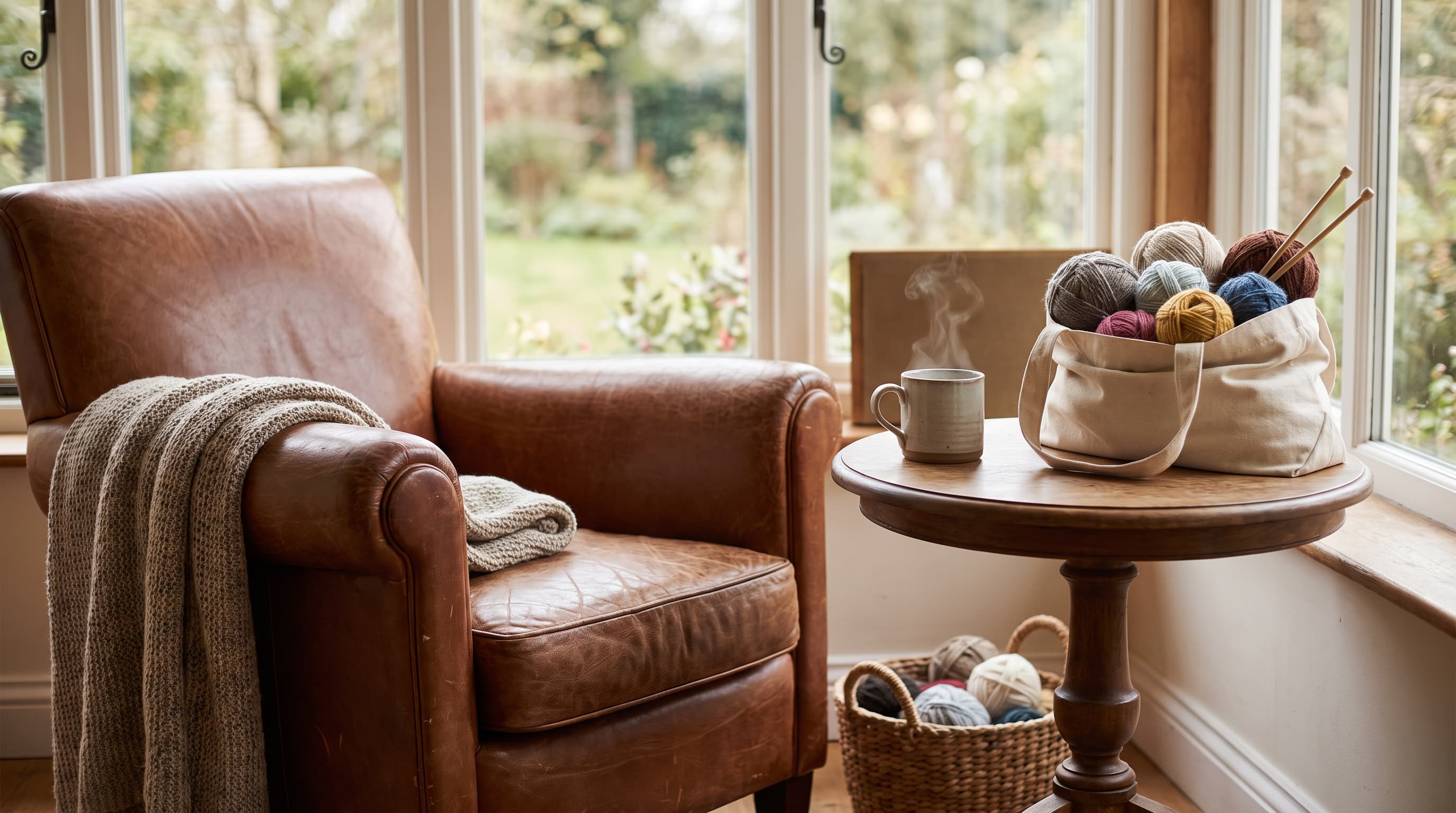
Creating a comfortable home spot or carrying a small project bag supports consistent mental wellness routines. Focus on steady breathing to immediately tap into the stress reduction benefits shown in recent needlecraft research.
Following the Steps for Success
The basic steps for starting a knitted cast-on are quite simple when taken one at a time. The key is maintaining a relaxed grip on both the needles and the working yarn.
Knitted Cast-On Steps
- Make a slip knot — Secure the initial loop onto the needle, leaving a short tail.
- Insert the needle — Place the right needle through the loop as if to knit.
- Wrap the yarn — Loop the working yarn around the right needle.
- Pull through — Draw the new loop through and transfer it to the left needle.
Keep stitches loose enough to slide yet snug, spacing them slightly apart. Using a larger needle for the cast-on before switching to the project size prevents tight edges.
Using Ergonomic Tools to Enhance Your Practice
Ergonomic knitting needles and tension rings serve as practical tools for maintaining even tension and proper hand position. They prevent joint strain for older adults or those managing arthritis.
These tools help achieve the loose-but-snug sweet spot during 20-22 stitch practice rounds. This supports transitioning smoothly into mindful knitting sessions without the pain point of hand fatigue.
Even careful beginners encounter hurdles, so here are realistic mistakes and how to move past them.
Common Mistakes and Considerations
Many beginners hit the same snags, but simple adjustments keep the positive momentum going. Addressing these hurdles early supports long-term adherence to knitting for calm.
Fixing Tension and First-Row Troubles
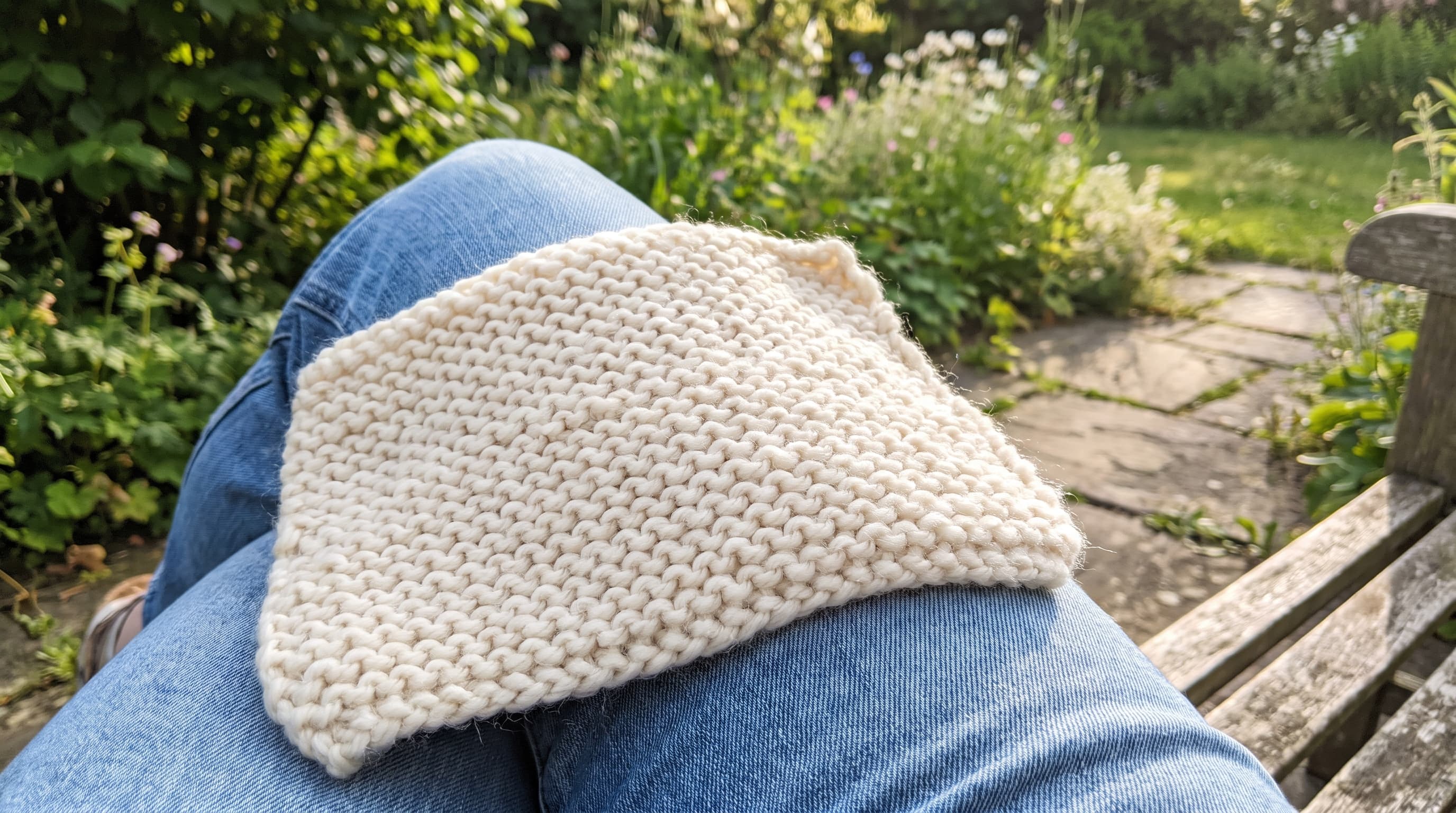
Difficulty achieving even tension often creates tight puckered edges or loose sloppy ones. Using a needle one or two sizes larger just for casting on eases the difficulty of working the first row.
This adjustment prevents abandoned projects and lets the repetitive motions deliver cortisol-lowering benefits noted in neuropsychiatric studies.
Selecting Methods and Avoiding Misconceptions
The backward loop cast-on is fast but not ideal for starting full projects because it creates uneven stitches. The long-tail or knitted cast-on better matches project needs like stretch for scarves or firmness for blankets.
For 1x1 ribbing without curling, the cable cast-on maintains elasticity and supports an enjoyable flow. This encourages regular practice by consistently producing cleaner results.
Building Sustainable Habits
Lack of muscle memory and integration uncertainty are frequent pain points for new crafters. Starting with short 20-30 minute sessions helps achieve a calming flow state without physical strain.
Filming your hand position to check posture or joining a knitting circle combats isolation and builds belonging. Adapt the setup for left-handed knitters or limited dexterity to keep the therapeutic benefits intact.
With these insights, anyone can cast on confidently and enjoy knitting as a rewarding part of their daily wellness routine.
FAQ
What is the easiest cast on method for absolute beginners?
The knitted cast-on is easiest for absolute beginners because it uses the same motion as the basic knit stitch. Practicing 20-22 stitches with double knitting yarn and 4mm needles quickly builds confidence without overwhelm.
After a slip knot start, simply pull loops through and place them on the left needle. The University of Gothenburg 2024 research shows how such structured craft brings calmness and daily structure that improves mental health.
How long should the tail be for the long-tail cast-on?
Wrapping yarn around the needle approximately three to four times the desired project width gives a reliable estimate. Adding a few extra inches prevents the frustration of running out midway, keeping focus on tactile mindfulness.
This method creates a stretchy, neat edge perfect for scarves that deliver therapeutic satisfaction. A scoping review in Issues in Mental Health Nursing (2024) notes that such needlecraft helps manage stress and supports emotional regulation.
Why is my first row after casting on so difficult or loose?
A tight cast-on makes the first row hard to work because stitches lack room to maneuver, while loose ones look sloppy. Switching to a needle one or two sizes larger just for casting on fixes tension and prevents puckering.
Check for twisted stitches before starting the row to avoid laddering the fabric. This adjustment supports ergonomic practice that reduces hand strain during 20-30 minute wellness sessions.
Does the cast-on row count as the first row of knitting?
The cast-on row does not count as the first row of knitting according to standard pattern practice. Treating it separately lets you establish even tension before the actual knitting begins.
After casting on, simply begin the first knit or purl row as instructed by the pattern. This transition can become a 5-10 minute mindfulness ritual that activates reward networks per a 2024 Frontiers in Behavioral Neuroscience study.
How do I cast on for 1x1 or 2x2 ribbing without it curling?
For ribbed edges, the cable cast-on or tubular methods maintain better elasticity and prevent curling. These create a firm yet flexible base suited to hats or sweater hems.
Use the knitted cast-on as a base, then add the rib setup for a polished look. Proper edge choice influences flow and adherence, delivering happiness gains documented in British Journal of Occupational Therapy research.
What causes uneven stitches or bumps along the cast-on edge?
Uneven stitches or bumps often stem from inconsistent tension or twisted loops during the cast-on process. Placing a finger between stitches while casting on keeps them loose enough to slide, creating smoother results.
The backward loop method is especially prone to this and is better reserved for mid-project use. Even edges reduce frustration so bilateral hand movements can fully support stress regulation as summarized in National Geographic.
How can I make knitting more relaxing and therapeutic from the start?
Treating the cast-on as a short breathing-focused ritual with attention on yarn texture turns it into an immediate mindfulness exercise. Starting with 20-30 minute sessions prevents fatigue while building toward a calming flow state.
Self-recording hand positions ensures ergonomic posture, while joining a group circle adds social benefits. A 2024 University of Gothenburg study highlights how this structure improves mental health and provides vital community connection.
Related Articles

ISO Aperture Shutter Speed Mastery: Gain Creative Control
Hobbies5 min read
Calligraphy Pens for Beginners: Build Mindfulness and Reduce Stress in 8 Weeks
Hobbies5 min read
Knit vs Purl Stitch: A Positive Beginner’s Guide to Mindful Stitching for Stress Relief
Hobbies5 min read
Calligraphy For Beginners: How 15 Minutes Daily Builds Mindfulness, Focus, And Real Progress
Hobbies5 min read

Golden Hour Photography Tips: 6 Easy Techniques For Gorgeous Photos And A Calmer Mind
Hobbies5 min read

The 6 Best Cameras for Photography Beginners to Build a Mindful Wellness Habit in 2026
Hobbies5 min read
Comments
(0)Leave a comment
Your email will not be published. All fields are required.